
Gentle Balance: Designing Comfort with Soft Neutrals
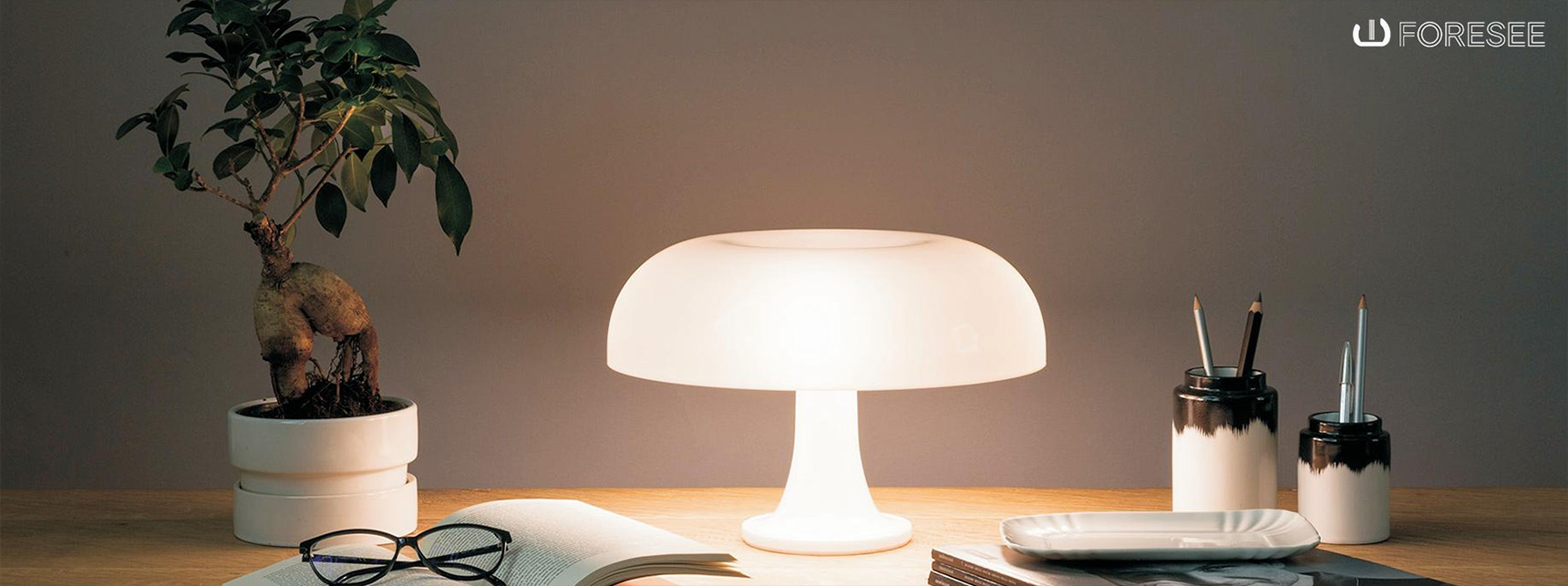
At 4C Global Space, we believe the most enduring comfort arises from harmony and understatement. This moodboard explores the subtle power of soft neutral palettes and tactile materials in creating spaces that are deeply calm, balanced, and inviting to everyday life. By blending fabrics, warm woods, and muted surfaces, we curate environments that feel gently enveloping, inherently flexible, and designed for effortless living. Here, design recedes to support comfort, resulting in interiors that feel timeless, poised, and truly welcoming.
Interior design trends continue to evolve as homeowners, architects, and developers look for spaces that balance aesthetics, comfort, and functionality. Among modern design approaches, soft neutral interior design has become a popular choice for luxury residential projects because of its timeless appearance, calming atmosphere, and ability to adapt to different architectural styles.
Soft neutral colors, including warm beige, ivory, taupe, light gray, and natural earth tones, create a sense of balance and sophistication. These tones allow designers to build elegant interiors while providing flexibility for different materials, lighting concepts, and smart technologies.
For architects and interior designers, modern interiors are no longer only about visual beauty. Today’s projects require spaces that are comfortable, efficient, and responsive to users’ lifestyles. By combining soft neutral aesthetics with smart home solutions, designers can create intelligent living environments that deliver both emotional comfort and practical value.
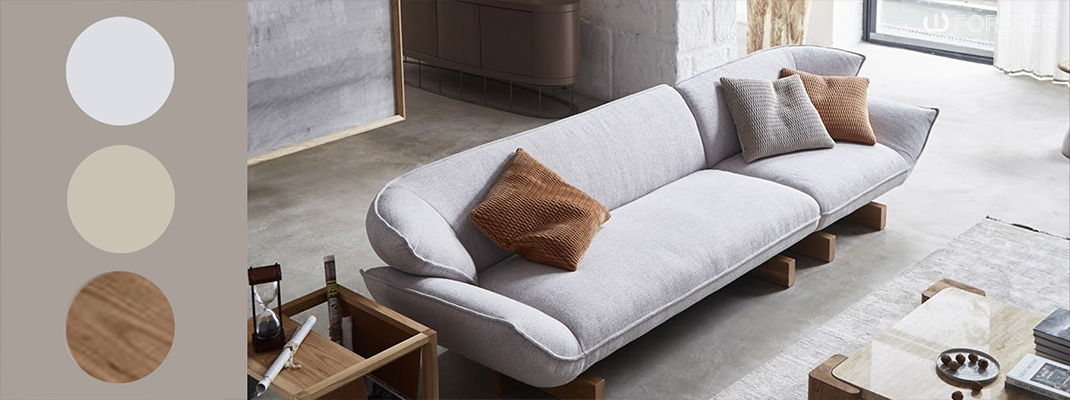
Why Soft Neutral Colors Are Popular in Modern Interior Design
Soft neutral interiors have gained popularity because they create a calm and welcoming environment while maintaining a high-end appearance.
Unlike strong color schemes that may quickly become outdated, neutral tones provide a timeless foundation that can adapt to changing furniture styles, materials, and technology requirements.
For luxury residential projects, soft neutral design offers several advantages:
- Creates a relaxing atmosphere
- Enhances natural materials
- Improves visual harmony
- Supports different interior styles
- Provides flexibility for future updates
This makes soft neutral design especially suitable for villas, apartments, hotels, and premium residential developments.
How Soft Neutral Design Creates Comfortable Living Spaces
A successful neutral interior is not simply about using light colors. It requires careful coordination between materials, lighting, furniture, textures, and technology.
Architects and designers need to consider how each element contributes to the overall experience of the space.
1. Creating a Calm and Timeless Atmosphere
The main advantage of soft neutral interiors is their ability to create peaceful living environments.
Warm neutral colors can make spaces feel more comfortable and natural, while different textures add depth and personality.
For example:
- Natural wood introduces warmth
- Stone surfaces create sophistication
- Fabric textures improve comfort
- Matte finishes create a modern feeling
By combining different materials within a neutral palette, designers can create interiors that feel elegant without appearing overly decorative.
For luxury homes, this design approach provides a perfect foundation for integrating modern lifestyle features.
2. Enhancing Natural Materials and Architectural Details
Soft neutral colors work especially well with natural materials because they allow architectural details to become the focus.
Materials commonly used in modern neutral interiors include:
- Natural timber
- Marble
- Stone
- Metal finishes
- Linen and soft fabrics
These materials create visual balance and help connect indoor spaces with natural environments.
For architects, neutral interiors provide greater freedom to highlight:
- Unique wall textures
- Custom furniture
- Architectural structures
- Large windows
- Open-plan layouts
This approach is widely used in contemporary villa and residential projects where simplicity and quality are key design goals.
3. Using Lighting Design to Improve Neutral Interiors
Lighting plays a critical role in soft neutral interior design.
Because neutral colors are highly influenced by light, the right lighting strategy can significantly improve the atmosphere of a space.
Designers can use different lighting techniques, including:
- Ambient lighting for overall comfort
- Accent lighting to highlight materials
- Task lighting for functional areas
- Decorative lighting for visual focus
A carefully designed lighting system helps create different moods throughout the day.
By integrating smart lighting solutions, homeowners can easily adjust brightness, color temperature, and lighting scenes based on different activities.
For example:
- Soft evening lighting creates a relaxing atmosphere
- Brighter lighting supports work and daily activities
- Customized scenes enhance entertainment experiences
Smart lighting allows neutral interiors to become more dynamic while maintaining their minimalist appearance.
4. Integrating Smart Home Technology into Neutral Spaces
Modern luxury interiors are increasingly incorporating intelligent technology.
For architects and designers, the challenge is not only adding smart devices but integrating technology naturally into the design concept.
A complete smart home system can connect:
- Lighting control
- Curtain automation
- Climate management
- Security systems
- Entertainment systems
This creates a seamless living experience where technology supports comfort without disrupting the visual simplicity of the interior.
In soft neutral spaces, hidden installation and minimalist control interfaces help maintain a clean architectural appearance.
5. Creating Luxury Villa Interiors with Soft Neutral Tones
Soft neutral design is especially popular in high-end villa projects because it creates a sophisticated yet comfortable living environment.
Luxury villa interiors often combine:
- Open layouts
- Natural materials
- Large windows
- Customized furniture
- Intelligent home systems
By combining neutral aesthetics with villa smart home solutions, designers can create personalized residences that reflect homeowners’ lifestyles.
Smart technology can enhance villa interiors through:
- Automated lighting scenes
- Intelligent curtains
- Security management
- Whole-house control
This integration allows luxury villas to achieve both elegant design and advanced functionality.
Design Considerations for Architects and Interior Designers
When designing soft neutral interiors for modern projects, professionals should consider several important factors.
Balance Colors and Textures
A neutral palette should not feel empty or monotonous.
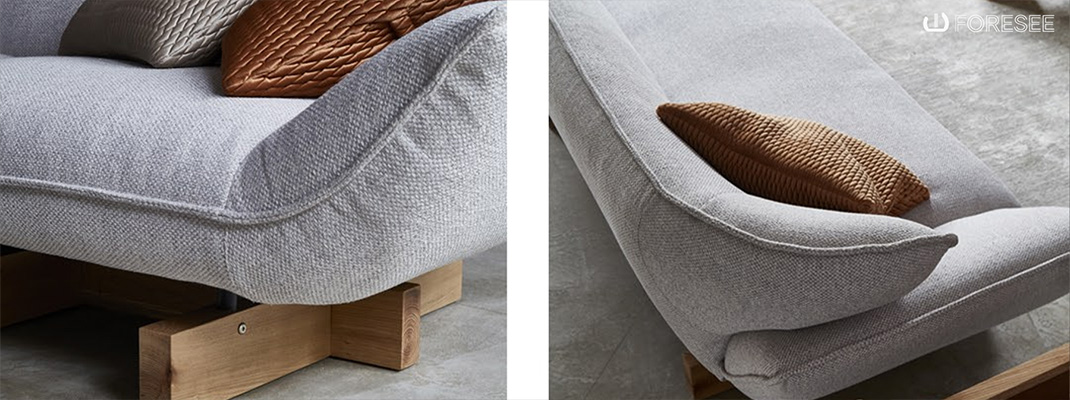
Combining different textures, materials, and finishes creates depth and visual interest.
Consider Lighting During Early Planning
Lighting should be planned together with interior design rather than added afterward.
Early coordination helps designers achieve better results and allows easier integration of intelligent control systems.
Focus on Long-Term Flexibility
Modern residential projects should be designed for future needs.
Flexible systems allow homeowners to upgrade technology and adapt spaces as lifestyles change.
For inspiration on different design approaches, explore interior design style guides and discover how different styles influence modern living spaces.
Choosing the Right Interior Solution Partner
Successful luxury interior projects require cooperation between architects, designers, manufacturers, and technology providers.
A reliable partner should provide:
- Professional project experience
- Customized solutions
- Integrated technology support
- Product quality assurance
- Long-term cooperation
From material selection and lighting concepts to smart home integration, the right partner helps transform creative ideas into practical spaces.
4C provides integrated solutions for modern residential and commercial projects, supporting designers and developers with smart technology and customized interior applications.
Explore more design inspiration through product moodboards.
The Future of Soft Neutral Interior Design
Soft neutral interiors represent more than a design trend. They reflect a growing demand for spaces that are comfortable, timeless, and adaptable.
As smart technology continues to influence architecture and interior design, future living spaces will combine natural aesthetics with intelligent systems.
By integrating thoughtful design, advanced lighting, and smart home technology, architects and designers can create modern environments that provide lasting value and exceptional living experiences.
For professionals working on luxury villas, residential developments, and hospitality projects, soft neutral design combined with intelligent solutions offers a powerful approach to creating future-ready spaces.