
How to Create a Cohesive Retro Home with Vintage Style Furniture
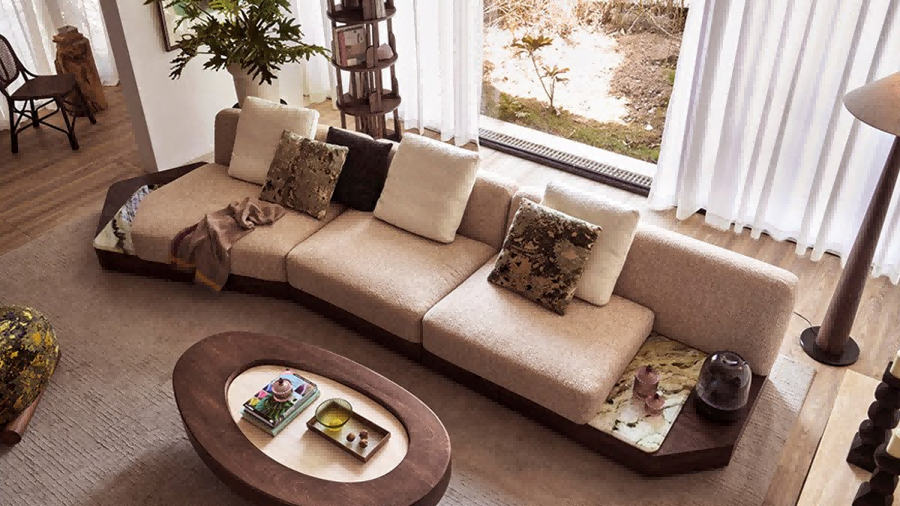
Retro interiors fall apart when each room follows a different idea. The sofa leans mid-century, the dining set turns heavy and traditional, and the bedroom drifts into something rustic or overly decorative. Individual pieces may look fine on their own, but the house never settles into one clear identity.
Getting the look right starts with control. Vintage style furniture gives a home recognizable shape, familiar detail, and a stronger sense of personality. Vintage wood furniture adds the weight that keeps the look from feeling thin or temporary.
Start with a Clear Retro Direction
Decide what kind of retro home you want
“Retro” is too broad to use on its own. Some homes lean toward mid-century with rounded lines and lighter fabrics. Others feel darker, fuller, and more classic, with deeper wood tones and tailored upholstery. Some mix vintage references with a softer contemporary layout. Each route can work well, but the house needs one dominant mood.
That decision affects everything else. Wood finish, fabric choice, lighting, hardware, and storage pieces all become easier to select once the direction is set. Without that framework, the rooms start competing with each other.
Pick a few details to repeat
A connected interior usually repeats a small number of signals. One wood tone may appear in the coffee table, dining table, bedside cabinet, and shelving. Curved lines might show up in a sofa arm, a chair back, and a headboard. Linen upholstery in the living room can return later through dining seats or a bedroom bench.
Nothing needs to match exactly. Repetition matters more than matching. Related shapes, finishes, and materials are enough to make the house feel settled.
Build the Living Room First
Let seating establish the mood
The living room usually sets the pace for the whole house, so the seating needs to do more than fill space. A sofa with a shaped arm, deeper seat, or slightly nostalgic outline brings atmosphere much faster than a plain rectangular form. Add one chair in leather, cane, or textured fabric and the room immediately gains another layer.
Vintage style furniture works especially well here because the shapes already carry some memory. The room feels warmer before art, books, or smaller accessories even come in. A house built around that kind of living room has a much easier time staying consistent later on.
Use wood to give the room structure
Soft seating brings comfort, but wood keeps the room grounded. A coffee table with visible grain, a media cabinet in walnut, or a sideboard in a darker finish gives the space a firmer center. Without that kind of anchor, the room can start to feel loose.
Vintage wood furniture is especially useful in larger living rooms because it adds definition without making the space feel stiff. Grain creates movement. Deeper finishes add contrast against fabric and rugs. The room feels warmer, but it also feels more organized.
Let texture carry more of the styling
Retro spaces usually look stronger when texture does more of the work. Leather beside linen, cane against wood, velvet near a matte lamp base, or a patterned rug under a heavier table all create depth without forcing too many decorative objects into the room.
That is often where the look either succeeds or fails. Rooms with a few strong material contrasts tend to feel layered and relaxed. Rooms that rely on too many small ornaments usually feel busy much faster.
Give the Dining Area a Stronger Shape
Start with the table
Dining rooms usually need a clearer sense of order than lounges. One substantial table can do most of that work on its own. Good grain, a warm finish, and a shape with enough presence will give the room direction immediately.
Vintage wood furniture tends to shine in dining spaces because the material already carries some authority. Walnut works well for a more refined retro look. Weathered finishes bring a slightly looser, collected feel. Darker tones also help the dining room hold its place if it sits beside an open living area.
Use chairs to soften the structure
A table sets the room’s backbone. Chairs bring the comfort back in. Upholstered seats, curved backs, bent wood frames, and slightly softer silhouettes all help keep the dining space from feeling too rigid.
That mix is what usually makes a retro dining room feel right. The wood gives it order. The seating makes it welcoming. When both are present, the room feels composed without turning formal.
Add one storage piece with real presence
A sideboard, cabinet, or open shelving unit often finishes the dining room better than wall decor ever will. Storage repeats the wood tone, extends the room’s shape language, and gives the space a stronger sense of purpose.
Useful furniture often ends up being the most atmospheric part of a retro interior. A well-proportioned cabinet can store tableware and still become one of the most interesting pieces in the room.
Bring a Quieter Version of the Style into the Bedroom
Keep the same language, lower the volume
Bedrooms need the same design thread as the rest of the house, just handled more quietly. A warm wood bed, an upholstered headboard, and a pair of bedside cabinets in a related finish are often enough to hold the room together.
Retro bedrooms usually work best when the forms stay simple and the materials carry more of the mood. Walnut, antique brown leather, weathered elm, and softer fabrics all create a room that feels rooted and calm.
Use color to support the wood
Wood becomes even more effective in bedrooms when the surrounding colors stay warm and muted. Cream, olive, dusty rose, terracotta, tobacco, soft gold, and brown-based neutrals all sit well with vintage wood furniture. Those shades bring out the grain instead of flattening it.
A bedroom does not need a lot of contrast. It needs a stable mood. Strong wood tones and softer color around them usually achieve that more naturally than bold accents.
Let smaller pieces make the room feel lived in
A bench at the foot of the bed, a chair in the corner, a compact desk, or a lamp with a fabric shade can change the tone of a bedroom very quickly. Those pieces make the room feel inhabited instead of staged.
Retro bedrooms do not need many extra moves, but they do need the right supporting pieces. Once those smaller items echo the finishes or shapes already used elsewhere in the house, the overall flow stays intact.
Keep Materials and Color Working Together
Let wood stay near the center of the scheme
Vintage wood furniture does a lot of the heavy lifting in a retro home, so it makes sense to keep it central. The living room may use more upholstery, the dining room may lean harder on wood, and the bedroom may sit somewhere in between. A repeated wood family keeps all three spaces connected.
Walnut is one of the easiest choices because it can move comfortably through different rooms. Weathered elm feels more relaxed and textural. Antique brown finishes add more depth. Any of them can work if the same general tone keeps showing up across the house.
Build a warmer palette around it
Retro interiors usually hold together better with a warm, slightly muted palette. Walnut brown, rust, olive, tobacco, cream, burgundy, dusty neutrals, and antique brass all work well because they support the furniture instead of fighting it.
A tighter color range also makes the house easier to read. Each room can still have its own focal point, but the overall mood stays steady.
Conclusion
A retro home looks stronger when the rooms support each other. Vintage style furniture brings recognizable shape, detail, and personality. Vintage wood furniture adds grain, warmth, and enough visual weight to hold the whole scheme together. Repeated with some discipline, those elements can turn separate rooms into one connected interior.
For anyone trying to build that look without losing consistency halfway through, 4C Global’s vintage furniture range is a useful place to compare living room, dining room, bedroom, and storage pieces within the same general style direction.