
Modern Luxury Furniture and Luxury Italian Furniture for Cohesive Whole-Home Interiors
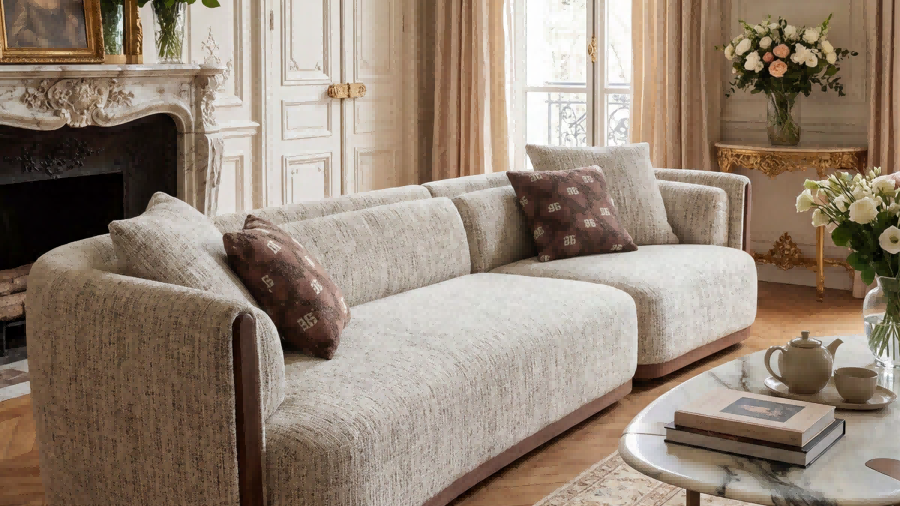
Luxury feels strongest when an entire home moves in one direction. A single sofa can look expensive. A bed can look dramatic in a showroom. Still, a house only starts to feel truly refined when the living room, dining area, and bedroom share the same visual logic. Rhythm matters. Proportion matters. Material choices matter even more.
Across premium villas, large apartments, and hospitality-led residences, more buyers now want a full interior atmosphere rather than a handful of isolated hero pieces. That shift makes modern luxury furniture and luxury italian furniture a particularly effective pairing. Clean forms and measured proportions bring order to the layout, while softer surfaces, richer textures, and more sculptural silhouettes keep the rooms warm and inviting.
Why Whole-Home Furniture Planning Feels More Luxurious
Room-by-room furniture buying usually leaves a trace. The lounge feels soft and relaxed, the dining area turns sharp and formal, then the bedroom drifts somewhere else again. Nothing looks completely wrong on its own, yet the house loses coherence.
Better interiors start with a steadier framework. Shape, palette, finish, and visual weight should stay related from one zone to the next. Curves can repeat in different scales. Leather can lead in one room and return as a quieter accent in another. Upholstery can shift in texture without changing the emotional temperature of the house. That kind of continuity gives the space authority.
What Modern Luxury Furniture Brings to the Interior
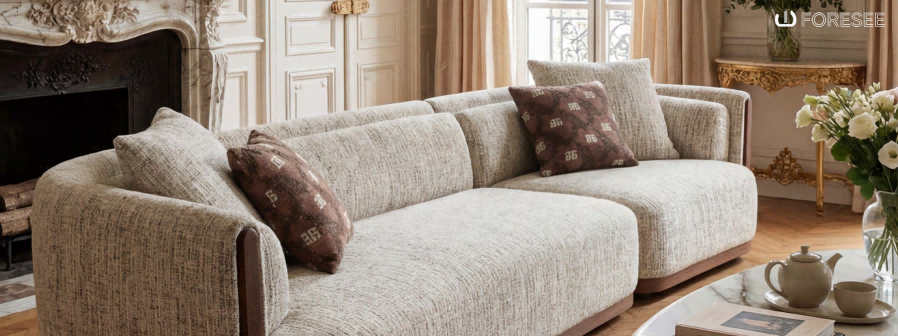
Clean proportions give the home structure
Strong interiors need backbone. Modern luxury furniture does that job quietly. Low visual clutter, disciplined lines, and balanced volume help larger rooms feel settled. Open layouts benefit most because the furniture has to hold the space together without choking it.
Once the big pieces have the right proportion, the whole home starts to read more clearly. Traffic flow looks smoother. Sightlines stay open. Even decorative layers feel more deliberate because the structure underneath already makes sense.
Sculptural forms keep large spaces from feeling empty
Scale creates its own challenge in villas and generous apartments. Too much bulk makes the room feel heavy. Too little presence leaves everything looking underfurnished. Sculptural furniture solves that tension better than overly decorated furniture ever could.
A collection like Lumen Series lands well in that kind of living room. Warm orange chenille gives the surface a welcoming softness, while the lounge proportions and sculptural profile give the seating enough body to anchor the room. What makes it useful is not just the fabric description on the site. More importantly, the piece built to hold a generous central zone without turning visually sluggish.
Comfort matters as much as visual impact
Luxury never survives long on image alone. Deep seating, supportive construction, and surfaces people actually want to touch determine whether a room feels rich or merely staged.
How Luxury Italian Furniture Softens the Space
Italian light luxury adds warmth without heaviness
Italian-inspired luxury works best when elegance comes through line, finish, and material depth rather than ornament overload. Rooms feel elevated, yet they still look easy to live in. That balance is one reason Italian light luxury has such strong range across whole-home projects.
Instead of pushing every room toward drama, the style holds onto calm surfaces, tailored silhouettes, and a more tactile kind of refinement. Weight stays controlled. Richness comes through touch, shape, and restraint.
Materials shape the emotional tone of each room
Chenille, velvet, leather, fleece, and linen do very different work. Chenille softens scale. Velvet catches light and changes character through the day. Leather adds maturity and density. Linen relaxes a room. Fleece can make one corner suddenly feel intimate.
4C’s Italian Light Luxury series give a broad material vocabulary to work with: black-and-white ribbon fabric in Interlace, silver velvet in Fog, calm blue fabric in Cove, dark orange leather in Vesper, vintage brown leather in Terra, plush lamb fleece in Hush, chenille in Warm, and grey-speckled white linen texture in Lino. That spread makes the range easier to use as a whole-home palette rather than a single-look catalog.
Craft-driven details make the interior feel finished
Premium rooms rarely depend on loud tricks. Better results come from edges, curvature, upholstery handling, and the way one material meets another. Measured detail carries farther than decorative excess.
That is also why Italian luxury remains so adaptable. It can sharpen a dining area, warm a bedroom, or steady a large living room without forcing the same exact mood on every space.
Living Rooms Set the Direction for the Entire House
Start with a sofa that can hold the room together
Most open-plan homes need one piece that establishes the center of gravity. Usually, that piece is the sofa. Once the seating volume feels right, the rest of the room has something to build around.
Use accent pieces to deepen the atmosphere
Secondary pieces do not need to shout. Often, they only need to change the room’s temperature slightly. Silver velvet, for instance, introduces a different kind of depth than chenille. Under daylight, the surface feels crisp. Under evening lighting, it turns softer and more fluid.
Once upholstery, metal, leather, and wood already sit in balance, the space starts to feel layered without forcing in extra visual noise.
That quieter route tends to age better too. A living room with strong form and rich surfaces will usually last longer than one relying on trend-driven ornament.
Dining Areas Need Continuity with a Clearer Rhythm
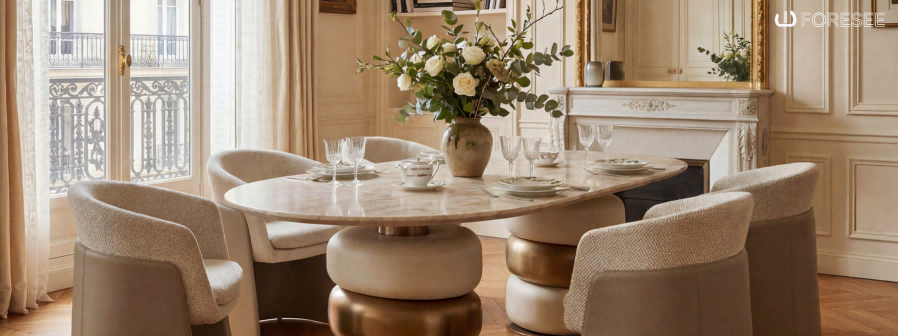
Carry over the palette from the lounge
Dining spaces often sit close enough to the living room that any mismatch becomes obvious. Keeping the palette related is the easiest way to maintain flow. Warm neutrals, muted browns, soft greys, and controlled contrast usually transition best.
Rather than reinvent the material story, the dining area should tighten it. Lines can sharpen. Upholstery can become more tailored. Still, the room should feel like it belongs to the same house.
Introduce sharper lines without breaking the mood
Dining zones benefit from a slightly firmer pulse. Seating needs a cleaner outline. Tables need more edge definition. The atmosphere can become a little crisper without drifting into stiffness.
Use material contrast to define the dining zone
One smart way to separate the dining area from the lounge is through texture rather than walls. Leather, stone, metal edging, or a tighter weave can mark the shift. That kind of contrast feels more refined than an abrupt style change.
Done well, the dining room becomes a continuation with a clearer voice, not a break in the story.
Bedrooms Need a Quieter Expression of Luxury
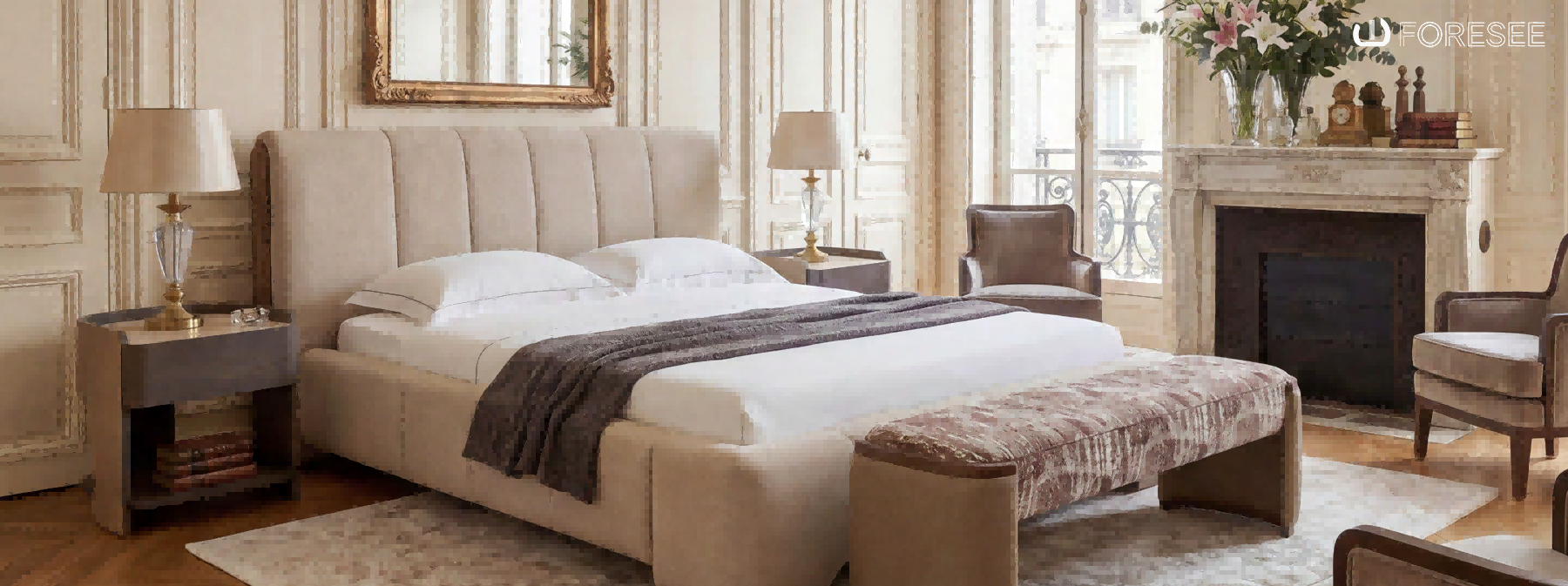
Upholstered beds create softness and presence
Bedrooms ask for more closeness and less display. Soft surfaces matter more because the body meets them more directly. Headboards, bed frames, benches, and occasional chairs all help shape the room’s emotional tone.
Leather and warm tones give the room depth
Brown-based leather often brings a bedroom a more settled feeling than pale fabric alone. Richer tones add maturity. Surface depth makes the room look lived in rather than freshly staged.
Material Coordination Makes the Home Feel Expensive
Controlled variation keeps the house from looking flat
A premium home does not need every surface to match. It needs materials to relate. Repetition creates flow. Variation keeps the rooms alive. Used carefully, those shifts create interest without weakening the overall composition.
Luxury lands harder when the whole house feels composed. Modern luxury furniture gives the interior shape, order, and proportion. Luxury italian furniture brings warmth, tactility, and emotional pull. Used together, they create rooms that feel connected without turning repetitive.
For villas, premium apartments, hospitality-led residences, and other high-end projects, that balance is what makes Italian light luxury so useful. Nothing feels random. Nothing feels forced. Every room supports the next, and the home reads as one complete interior rather than a stack of unrelated purchases.
Conclusion
Beautiful design falls apart quickly when finishes drift from room to room or quality changes across categories. Reliable sourcing keeps the original concept intact.
That is one place where 4C’s broader brand positioning supports the story well. W emphasize integrated solutions, stable quality, reliable delivery, and manufacturing capability tied to dedicated factories, including furniture production in Foshan. For whole-home projects, this kind of consistency matters just as much as the furniture look itself.