
Zero Clutter, Maximum Power: Magic of Hidden Bathroom Electronics
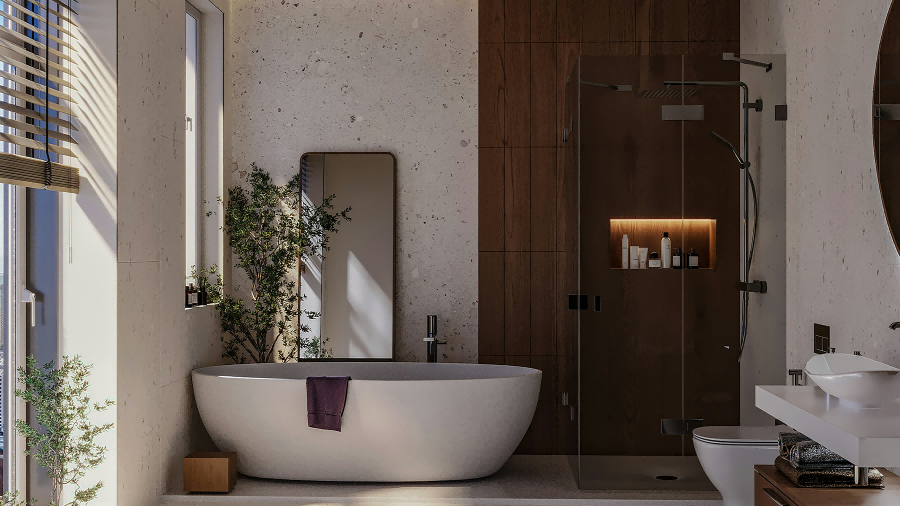
Modern bathrooms are no longer just simple functional spaces. They are becoming increasingly intelligent, comfortable, and private living environments. Hidden electronic devices help keep the space clean and organized. Smart lighting and centralized control systems enable various devices to work seamlessly together.
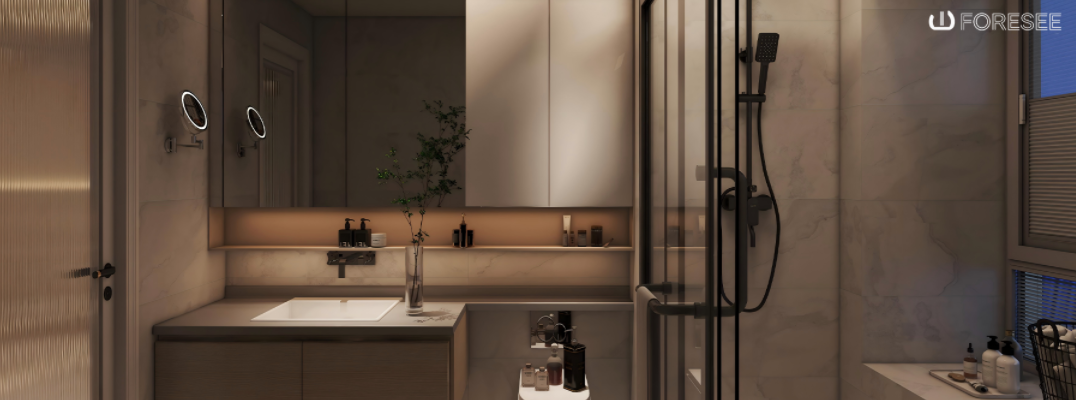
The Rise of the Smart Minimalist Bathroom
Bathroom design has changed significantly in recent years. Today’s bathrooms combine hygiene, relaxation, and smart living technology.
Three major trends are shaping modern bathroom design.
Minimalism
Minimalist design focuses on clean architectural lines and uncluttered surfaces. By reducing visible equipment and integrating devices within the structure of the space, designers can create a calm and visually balanced environment that feels spacious and refined.
Hidden Technology
Modern bathroom electronics are increasingly concealed within ceilings, walls, or cabinetry. Lighting drivers, sensors, and ventilation systems are integrated into architectural elements, allowing the technology to remain invisible while still delivering powerful performance.
Smart Home Integration
Another major trend is centralized smart home control. Instead of managing devices individually, users control them through one system.
With platforms like the 4C Global smart home solution, lighting, ventilation, and environmental settings can be managed from one interface.
This simplifies daily use and improves the overall smart living experience.
Together, these trends create a smart minimalist bathroom where technology enhances comfort without disrupting visual harmony.
Spatial Zoning for a Large Bathroom
One common design challenge is organizing space in a large bathroom. Clear zoning improves both functionality and visual balance.
A well-designed bathroom typically includes four main zones.
1.Entrance & Vanity Zone
The vanity area is usually located near the entrance and serves as the primary space for grooming and daily routines. This zone typically includes double sinks, mirror lighting, and integrated storage cabinets. Good lighting design and concealed power outlets help keep the countertop clean while ensuring functionality for everyday use.
2.Wet Zone – Shower & Bathtub Area
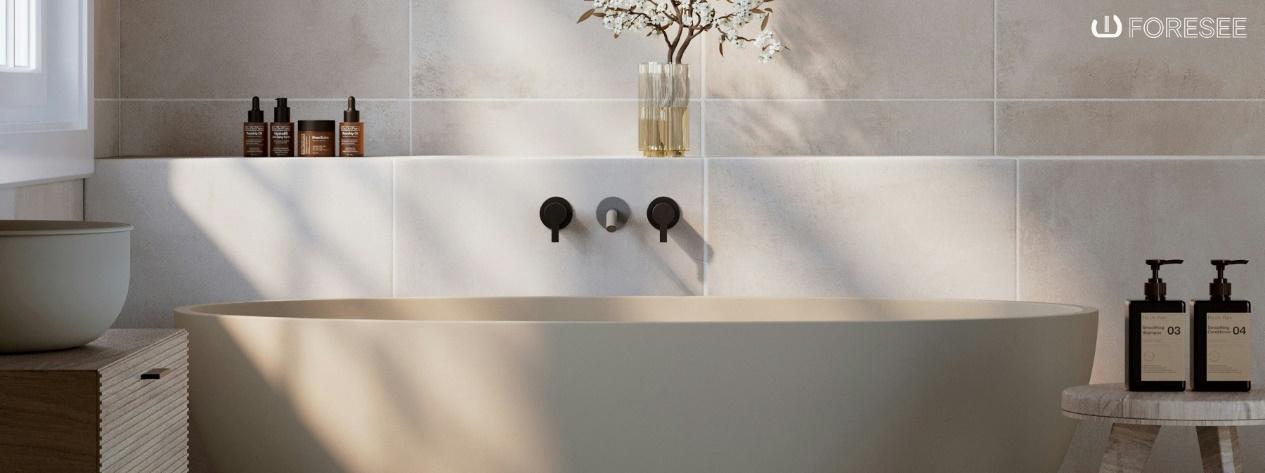
The wet zone includes the shower area and bathtub, forming the central relaxation space of the bathroom. Walk-in showers and freestanding bathtubs are commonly used to create a spa-like atmosphere. Waterproof lighting and effective ventilation are important considerations to maintain comfort and safety in this high-humidity area.
3.Private Toilet Zone
In larger bathrooms, the toilet area is often separated with a partial wall or a discreet partition. This layout improves privacy while maintaining the open visual flow of the space. It also allows dedicated ventilation and lighting solutions to be installed without affecting other areas.
4.Storage & Hidden Technology Zone
Modern bathroom design increasingly incorporates built-in storage and hidden equipment spaces. Recessed wall niches, concealed cabinets, and technical compartments provide room for electronic drivers and control devices. This approach keeps the bathroom visually clean while supporting integrated smart systems.
The Magic of Hidden Bathroom Electronics
The idea of Zero Clutter, Maximum Power depends on how technology is integrated into the space. Instead of installing devices on visible surfaces, modern designs hide them inside the architectural structure.

Hidden Lighting
Hidden lighting plays a key role in modern bathroom design.
Recessed ceiling lights provide even illumination while remaining flush with the ceiling surface, maintaining a clean architectural appearance.
Indirect LED strips, often installed in ceiling coves or wall recesses, create soft ambient lighting that adds depth and warmth to the space without exposing the light source.
Hidden Smart Control
Behind the scenes, intelligent control systems manage the various lighting and environmental devices in the bathroom.
Through the 4C smart touch screen, users can access a centralized interface that controls lighting brightness, ventilation settings, and environmental scenes. This eliminates the need for multiple wall switches while providing convenient lighting control and scene management.
With just a few taps, users can adjust the entire bathroom environment according to their needs, making smart technology both powerful and unobtrusive.
Wiring and Installation Planning for Hidden Electronics
Concealed electronic components require meticulous planning in the early design phase. This includes wiring, power drives, and control modules, all of which should be planned before construction. In most smart bathrooms, electronic components are hidden within the ceiling, walls, or furniture structure, maintaining a visually clean space while protecting the technological equipment.
1.Ceiling: Clean and Integrated Design
The ceiling is an ideal location for integrating multiple electronic systems. Recessed lighting fixtures, ventilation equipment, and environmental sensors can all be installed within ceiling cavities. This keeps the ceiling visually uncluttered while allowing easy maintenance access through hidden service panels.
2.Walls: Functional Technology Surfaces
Walls can serve as functional surfaces that host both storage and technology. Recessed niches can provide storage for toiletries, while smart mirrors and integrated control panels enhance usability. With smart home systems such as the 4C smart display, wall-mounted interfaces allow users to manage lighting and environmental controls conveniently.
3.Safety and Ambient Lighting
Floor-level lighting is often overlooked but can significantly enhance safety and ambiance. Low-level guide lights or baseboard LED strips provide soft navigation lighting during nighttime use. These subtle lighting elements help define the spatial boundaries of the bathroom while improving nighttime visibility.
Smart Lighting for a Spa-Like Atmosphere
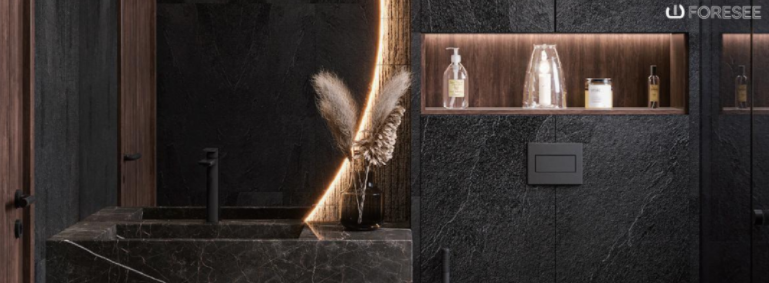
To create a relaxing and visually layered environment, modern bathrooms typically use a layered lighting system.
|
Lighting Type |
Purpose |
Typical Installation |
|
Ambient Lighting |
General illumination for the whole bathroom |
Recessed ceiling lights |
|
Task Lighting |
Lighting for functional areas like mirrors |
Mirror lights or wall lights |
|
Accent Lighting |
Decorative and atmosphere lighting |
LED strips in niches or ceilings |
By combining these three lighting layers, designers can achieve a balanced environment that is both practical and aesthetically pleasing.
Smart Dimming Compatibility
Another advantage of smart lighting systems is their ability to adapt to different daily scenarios. Through the 4C smart touch screen, users can easily switch between customized lighting scenes that suit various activities.
|
Lighting Scene |
Lighting Effect |
Typical Use |
|
Morning Routine |
Bright and energizing lighting |
Daily preparation |
|
Spa Relaxation |
Soft warm lighting |
Bathing and relaxation |
|
Night Mode |
Low-level navigation lighting |
Safe nighttime movement |
These intelligent lighting transitions allow the bathroom environment to adapt naturally to the rhythm of everyday life, further enhancing comfort and usability.
Modern bathroom design is moving toward spaces that combine minimalist aesthetics with intelligent functionality. By using hidden electronics, layered lighting, and integrated control systems, designers can create bathrooms that remain visually clean while offering powerful smart features. With solutions such as the 4C Global smart home control system, homeowners can easily manage lighting and scenes from a single interface. This approach allows bathrooms to deliver a true “Zero Clutter, Maximum Power” experience—where technology works quietly in the background to enhance comfort and everyday living.