
Building a Smart Hotel Room with Intelligent Technology
As the global hotel industry accelerates its digital transformation, intelligent technology has become a crucial direction for enhancing competitiveness. Modern hotels are no longer just about providing accommodation; they are leveraging technology to create more efficient, energy-saving, and personalized stay experiences. Under this trend, smart hotel rooms are gradually becoming the core vehicle for industry upgrades, and smart hotel solutions, characterized by their systematization and integration, are forming the basic framework for intelligent hotel construction.
Through intelligent control systems, hotels can achieve unified management of guest rooms, while simultaneously improving operational efficiency and customer satisfaction.
Why Every Smart Hotel Room Needs Integrated Technology
In traditional hotel operations, various devices typically operate independently, leading to high energy consumption, complex management, and inconsistent customer experiences. In modern smart hotel rooms, all devices are integrated through a unified platform, achieving true intelligent collaboration.
First, there's the capability for system integration. Lighting, air conditioning, curtains, door locks, and other devices are connected to the same platform via the Internet of Things (IoT), enabling centralized control and automated operation.
Second, there's the enhanced user experience. Guests can directly control their room environment via a panel or mobile phone, making the check-in experience smoother and more natural.
Finally, there's improved operational efficiency. Hotel management can remotely monitor the status of all guest rooms, reducing manual operations and improving overall operational efficiency.
Therefore, in the long run, deploying a complete smart hotel solution has become an inevitable choice for the digital development of the hotel industry, and the smart hotel room is the ultimate manifestation of this system.

Key Components of a Smart Hotel Solution for Guest Rooms
When building a modern smart hotel room, the system typically consists of multiple core modules, each playing a crucial role in the overall smart hotel solution.
Intelligent Control System
The intelligent control system is a fundamental component of a smart hotel solution. In a standard smart hotel room, lighting, air conditioning, and curtains can automatically adjust based on time, environment, or user commands.
For example, when a guest enters the room, the system can automatically turn on the lights and air conditioning, and adjust the curtains' opening and closing based on external lighting. This interconnected control not only enhances comfort but also significantly optimizes energy efficiency.
Simultaneously, hotel managers can centrally manage all rooms by adjusting their operating status through a back-end system.
Intelligent Voice Control and Panel System
In advanced smart hotel solutions, voice control and touch panels are crucial for enhancing the interactive experience.
Guests can easily adjust lighting, set temperatures, or control curtains simply by using voice commands, achieving a truly "contactless" experience in the smart hotel room.
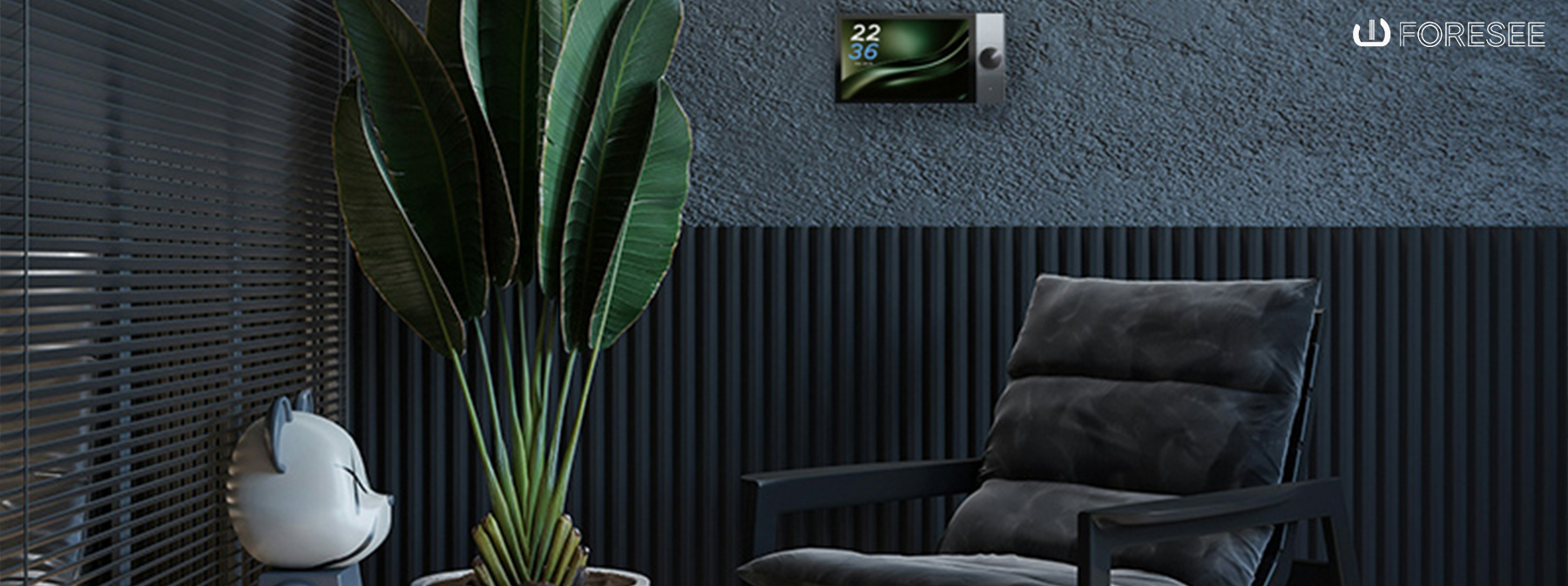
Wall-mounted smart panels offer a more intuitive control method, suitable for users of all ages. The dual control modes of voice and panel make the overall system more flexible and user-friendly.
Saving Energy and Costs with a Smart Hotel Solution
Energy consumption and labor costs account for a significant proportion of hotel operating costs. Therefore, achieving energy conservation and emission reduction through smart hotel solutions has become a crucial goal for hotel management.
Energy Conservation and Emission Reduction
While traditional card-operated power systems can save energy to some extent, they still have limitations. The upgraded smart hotel room, through sensors and an intelligent control system, can automatically detect whether a room is occupied.
When a room is unoccupied, the system automatically turns off the lights and air conditioning, achieving true energy optimization. This function is one of the core energy-saving methods in modern smart hotel solutions.
Predictive Maintenance
With the support of the intelligent system, hotels can monitor the operating status of all equipment in real time. For example, data such as air conditioning efficiency and lighting system stability can be recorded and analyzed.
In this way, smart hotel solutions can proactively identify potential faults, thereby reducing operational losses from unexpected repairs and lowering the cost of manual inspections.
Labor Optimization
In traditional hotel management, room inspections and equipment adjustments require significant manual intervention. In the smart hotel room system, these processes can be automated.
For example, automatic room status updates and automatic cleaning reminders significantly reduce the workload of front desk and housekeeping staff, enabling more efficient allocation of human resources.
Personalizing the Guest Journey in a Smart Hotel Room
Personalized experiences are at the heart of modern hotel competition, and the smart hotel room is a crucial vehicle for achieving this goal. Through advanced smart hotel solutions, hotels can create a personalized stay experience for each guest.
Scene Modes
In a smart hotel room, the system can preset multiple scene modes.
Reading Mode: Increases lighting brightness and adjusts to a comfortable color temperature.
Sleep Mode: Automatically turns off lights and reduces air conditioning noise.
Romantic Mode: Creates an ambiance with soft lighting and a comfortable temperature.
These modes not only enhance comfort but also strengthen guests' memory of the hotel brand, representing a key value proposition of smart hotel solutions.
Multi-device Control
Modern smart hotel rooms support multiple control methods, including mobile apps, wall panels, and voice control.
This multi-device collaborative control system allows users to freely choose operating methods according to different scenarios, making the entire smart hotel solution more flexible and user-friendly.
Privacy and Security
Data security is paramount in intelligent systems. A mature smart hotel solution ensures guest privacy is not compromised through encrypted communication and access control mechanisms.
Meanwhile, the system collects only necessary data within authorized limits to optimize the service experience, thus achieving a balance between convenience and security.
Conclusion
As the hotel industry continues to move towards digitalization and intelligentization, building efficient, energy-saving, and personalized smart hotel rooms has become an inevitable trend for future development. A complete smart hotel solution can not only improve operational efficiency but also significantly enhance customer experience and energy management.
In this field, 4C Global provides comprehensive solutions based on advanced IoT technology and intelligent control systems, helping hotels achieve a complete upgrade from traditional operations to intelligent management. Through its mature technology system, hotels can more easily build high-performance smart hotel rooms and create a future-oriented smart accommodation experience.