
Custom Interior Design Solutions: smart home and lighting integration
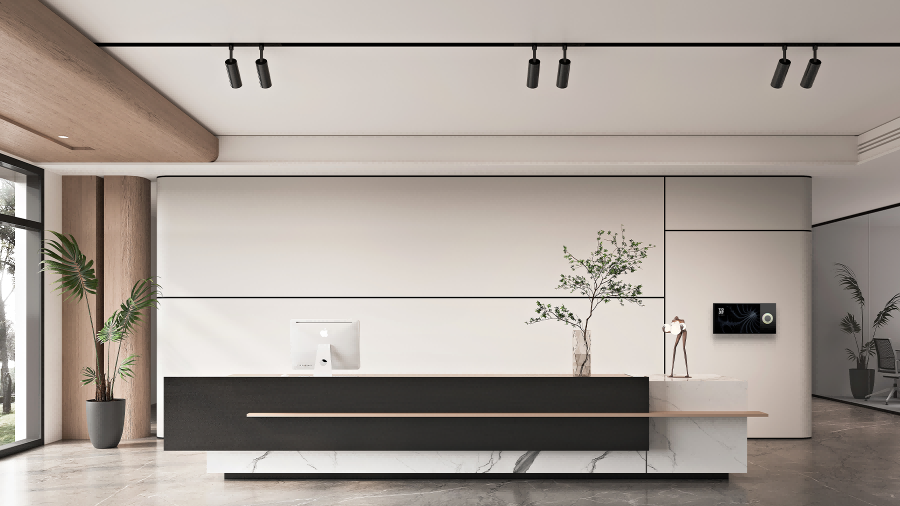
Against the backdrop of rapidly evolving trends in spatial and interior design, spatial design, interior design trends, and the upgrading of commercial spaces are emerging as core issues in the industry. Architectural firms, estate developers, design firms, engineering companies, building materials distributors, as well as architects and designers, are universally grappling with challenges such as severe homogenization, the difficulty of balancing costs and results, and the challenge of quantifying user experience.
This article offers actionable strategies to help you enhance both design value and business returns in a competitive market.
What Do Custom Interior Design Solutions Really Mean
In 2026, interior design rejects lifeless, “Instagram-perfect” minimalism and turns toward individual genuineness along with rooted havens. Designers now concentrate on crafting healing environments that value sensory engagement, emotional wellness, and a profound bond with nature.
Customized interior design solutions mark a shift in interior design from a singular focus on style toward a more holistic spatial system. Traditional design often prioritizes visual appeal and stylistic expression, whereas whole-home customization centers on user needs, integrating space, functionality, and experience through systematic thinking. Moving from aesthetics to the integration of usability, intelligence and scalability, design is no longer merely about aesthetic output but has become a comprehensive solution that balances functional efficiency, technological integration, and long-term adaptability.
Core components of whole-home customization: integrated design of space, furniture, and systems. Including a spatial planning system based on traffic flow and functional zoning; a furniture system that maximizes storage and usability efficiency; and a technology system that integrates smart home features and digital management. These elements construct a sustainable, evolving spatial ecosystem together.
Smart Home Integration: Making Custom Interior Spaces Truly User-Responsive
By integrating intelligent control systems with everyday living environments, our smart home solution transforms isolated devices into a unified, responsive ecosystem. Powered by the 4C Smart Home Series, the platform combines intelligent hardware with advanced control software to deliver seamless automation, centralized management, and intelligent device interaction.
Through centralized control, scenario-based automation, and system-wide linkage, users gain a more intuitive, efficient, and secure living experience where every device works together as one.
A Unified Central Control System That Powers the Entire Smart Home Ecosystem
4C Global smart home series are built around a powerful central control system that serves as the central hub for all connected devices.
At the center of this architecture is the 4C Smart Touch Screen, which functions as both an intelligent control interface and the core system controller. More than just a display panel, it operates as the command hub of the entire installation, processing automation logic, coordinating device interactions, and providing users with a clear, visualized overview of their environment.
Through this centralized system, a wide range of devices—including smart lighting systems, motorized curtain modules, HVAC controls, and security components—are unified under one platform. This enables not only direct control, but also advanced automation, where devices can respond collectively based on user behavior, schedules, or real-time environmental data.
The system is further enhanced by its multi-interface accessibility. Users can interact with the smart home via the 4C Smart Touch Screen, mobile applications, or voice control systems, ensuring flexibility across different usage scenarios. At the same time, integrators benefit from a stable and scalable infrastructure that supports multi-protocol integration and flexible system expansion.
By combining centralized processing, distributed device control, and intelligent interaction, the 4C central control system transforms smart homes from a collection of connected devices into a fully synchronized and adaptive living environment—delivering greater convenience, operational efficiency, and long-term scalability for both residential and commercial applications.
Scenario-Based Smart Living Enabled by the Smart Knob Panel
The Smart Knob Panel transforms everyday interactions into a seamless and intuitive smart home experience by combining tactile control with advanced scenario-based automation. Acting as a central interaction point within the 4C ecosystem, it allows users to activate complex scenes and control multiple devices through simple rotation, press, or touch gestures—bridging physical interaction with intelligent system response.
The panel enables users to create and manage customized scenarios that align with real-life routines. With a single action, multiple systems—including lighting, motorized curtains, climate control, and security devices—can be triggered simultaneously, either manually via the panel or automatically through schedules, sensors, and environmental conditions.
For example, when arriving home, users can activate a “Home” scenario directly from the Smart Knob Panel or the mobile app. The system responds instantly by turning on smart lighting, opening curtains, and adjusting the indoor climate to a comfortable level. When leaving the house, an “Away” scenario ensures both energy efficiency and security. With one command, lights and non-essential devices are switched off, curtains close automatically, and the system connected through smart sensors and monitoring devices sharpen the full security setup. Any unusual activity is detected in real time and pushed to the user’s mobile device, enabling remote awareness and control.
At night, the “Sleep” scenario gradually transitions the home into a restful environment. Lights dim and turn off, curtains close for privacy, and climate systems adjust to optimized sleep settings. Meanwhile, the security system shifts into night monitoring mode, maintaining protection without disrupting comfort.
Beyond individual scenarios, the Smart Knob Panel also offers flexible configuration for integrators, allowing different gestures or rotation levels to control various zones or functions. By combining intuitive hardware interaction with intelligent automation logic, it elevates scenario-based control from simple convenience to a fully immersive and responsive living experience.
Lighting Design as a Spatial Language in custom interior design solution
Lighting is no longer treated as a purely functional element, but as a core design language that shapes how spaces are experienced. Through the careful selection and combination of luminaires, designers can define spatial hierarchy, create atmosphere, and highlight architectural features across different environments.
4C lighting portfolio covering decorative lighting, commercial lighting and landscape lighting offers a versatile range of fixtures that support customized interior and exterior design solutions. Each category is designed to address specific spatial needs while contributing to a cohesive and expressive lighting strategy.
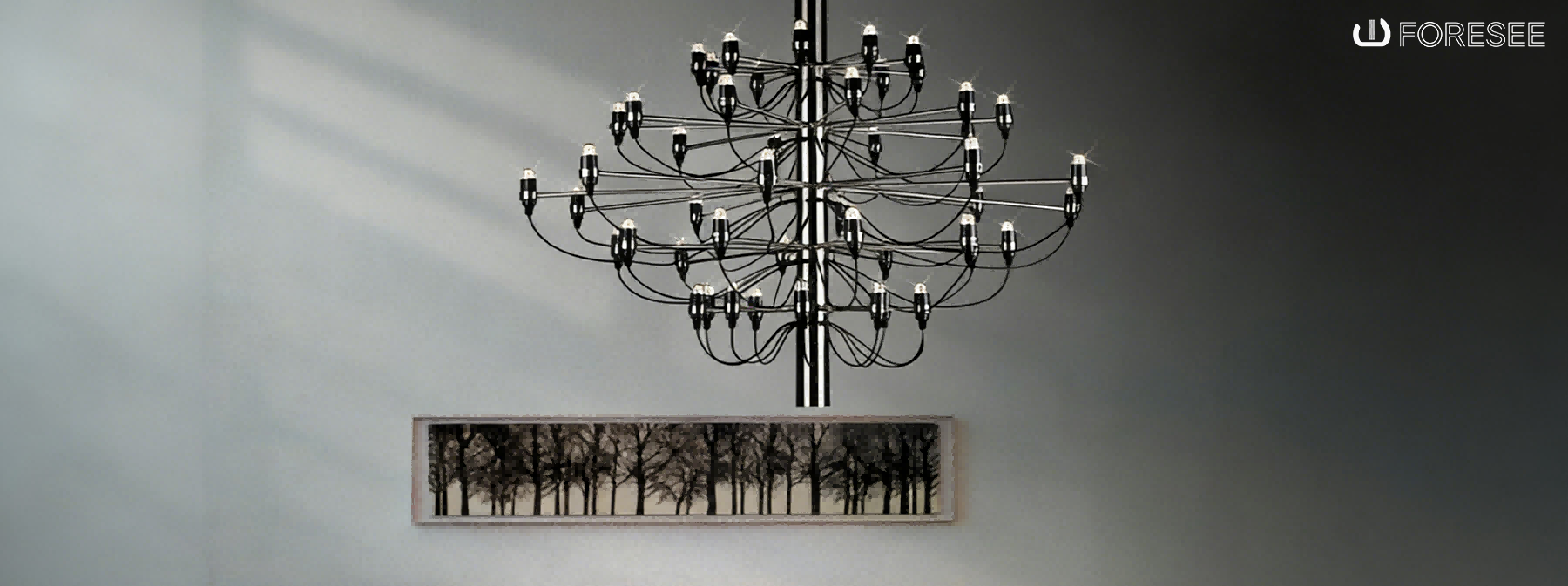
Decorative Lighting for Atmosphere and Spatial Identity
Decorative lighting plays a key role in defining the character and emotional tone of interior spaces. Fixtures such as the Celeste Series are designed not only to illuminate but also to serve as visual focal points.
Pendant lights are often positioned above dining tables or central living areas, creating a sense of intimacy and spatial focus, while wall lights provide soft ambience illumination that enhances depth and texture. These luminaires help establish layered lighting compositions, where ambient, accent, and decorative lighting work together to enrich the overall spatial experience.
By integrating form, material, and light output, decorative lighting contributes to a refined and cohesive interior design language.
Commercial Lighting for Functional Clarity and Spatial Efficiency
Commercial lighting is essential in creating environments that balance functionality, comfort, and visual consistency. 4C’s commercial lighting solutions include fixtures such as LINEA Series and EDGE Series, which are widely used in offices, retail environments, and public spaces.
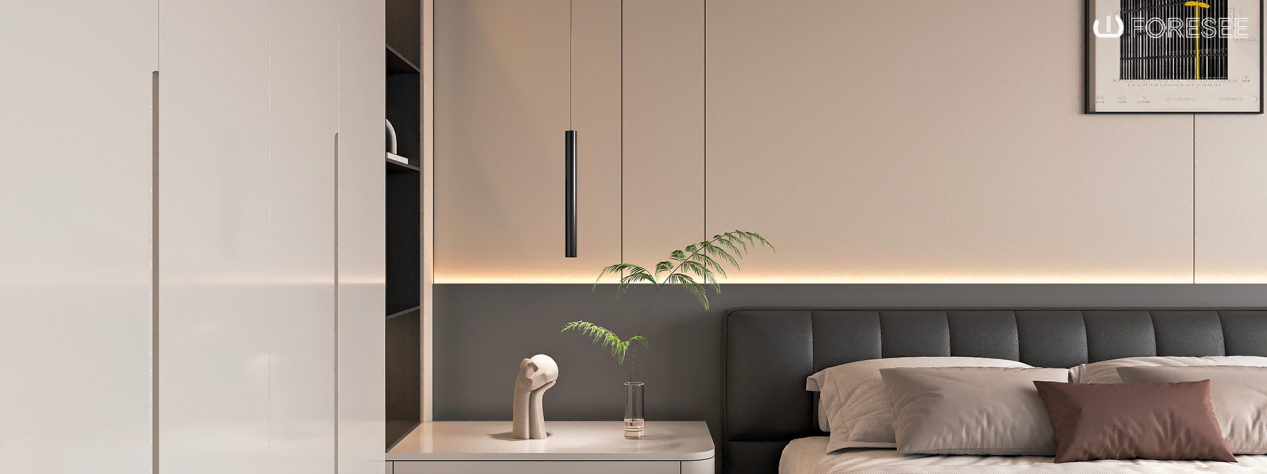
Linear lighting systems provide clean, continuous illumination that aligns with modern architectural layouts, making them ideal for open-plan offices and corridors. Recessed downlights, on the other hand, offer focused and controlled lighting, suitable for task areas or highlighting merchandise in retail settings.
These products are designed to deliver uniform brightness, reduce glare, and support long-term operational efficiency, ensuring that lighting enhances both usability and spatial clarity.
Landscape Lighting for Outdoor Experience
Landscape lighting extends the design narrative beyond interior spaces, shaping how outdoor environments are perceived at night. 4C’s landscape lighting range includes fixtures such as FL05 Series which are used to highlight architectural elements and define pathways.
Spotlights can be used to emphasize building facades, trees, or structural details, creating depth and contrast in outdoor settings. Bollard lights provide low-level illumination along walkways, improving safety while maintaining a clean and structured visual rhythm.
Through a combination of accent and functional lighting, landscape luminaires enhance both the usability and aesthetic appeal of exterior spaces.
Partnering with 4C Global Custom Interior Design Solutions
Delivering a truly customized interior space goes beyond selecting individual products. It requires a holistic approach that brings together design, technology, and user experience into one unified solution.
By integrating smart home systems with thoughtfully designed lighting solutions, 4C enables spaces to transition seamlessly between different modes, whether it’s enhancing focus, creating atmosphere, or improving comfort. Lighting defines mood, guides movement, and reinforces spatial identity, while smart systems ensure that these environments remain intuitive and effortless to use.
This integration is especially valuable in projects that demand both design flexibility and functional performance. From residential homes and apartments to hospitality and commercial spaces, 4C’s solutions support a wide range of applications, allowing each project to be customized according to its unique spatial requirements and user expectations.
By combining spatial design thinking with integrated technology and lighting expertise, 4C Global transforms concepts into fully realized environments where every detail contributes to a cohesive, personalized, and immersive experience.
Partner with 4C Global to bring your custom interior design solutions to life where design meets intelligence, and spaces are shaped around people.
Conclusion
In today’s evolving design landscape, custom interior design solutions are no longer defined by aesthetics alone, but by how seamlessly space, technology, and user experience come together. By integrating smart home systems with thoughtfully designed lighting, spaces become responsive, expressive, and tailored to real-life needs.
Whether you are developing residential, commercial, or hospitality projects, a well-planned, whole-house customization approach ensures long-term value, flexibility, and design consistency.
Explore how 4C Global can support your next project and turn your custom home design ideas into fully realized, future-ready spaces.