
How to Design a Multifunctional Living Space with Custom Solutions
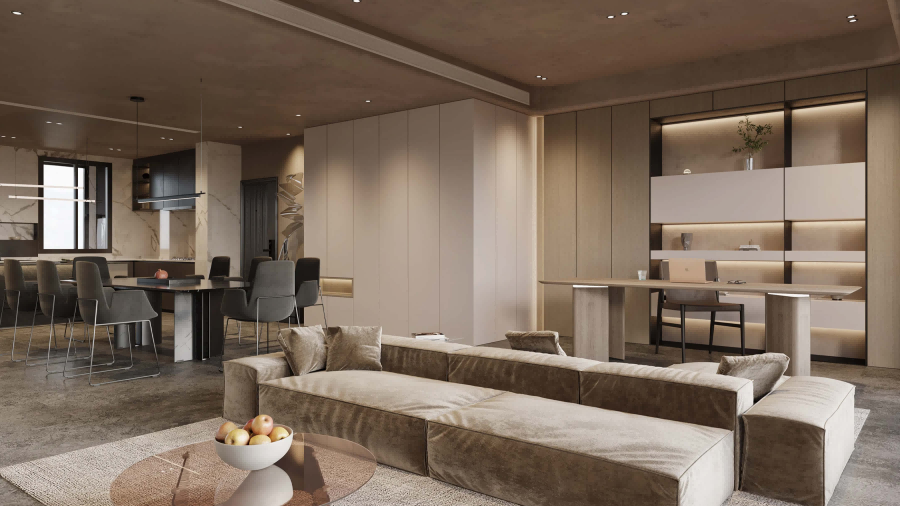
In today’s multi-functional living room, successful interior design focuses on smooth adaptability rather than displaying every function at once. A well designed custom living room organizes daily life through smart zoning, hidden storage, layered lighting, and flexible controls. The layout guides natural movement. Storage keeps the space visually calm. Lighting quickly changes mood and purpose. Smart systems reduce daily friction. When these elements work together, the multi functional living space supports everything from quiet mornings and work calls to family time and movie nights without ever feeling cluttered or chaotic.
Principles of Effective Living Space Design
Effective living space design starts with a layout that supports daily movement and keeps the room visually clear. Furniture should not interrupt circulation or create underused corners, and even a multifunctional room should still feel cohesive. Clear sightlines, balanced proportions, and a consistent material palette help different uses fit together without making the space feel busy.
Most living spaces also need a clear focal zone, usually the main seating area. Secondary functions such as reading, working, or storage should support that core zone rather than compete with it. This makes the layout feel more stable and easier to read.
Flexibility is what makes the space work over time. Compact built-ins, fold-away surfaces, and movable dividers often do more for everyday comfort than adding extra furniture. A room that adapts easily to different routines will always feel more useful.
Top Strategies to Create a Multifunctional Custom Living Space
Integrated Smart Systems for Enhanced Convenience
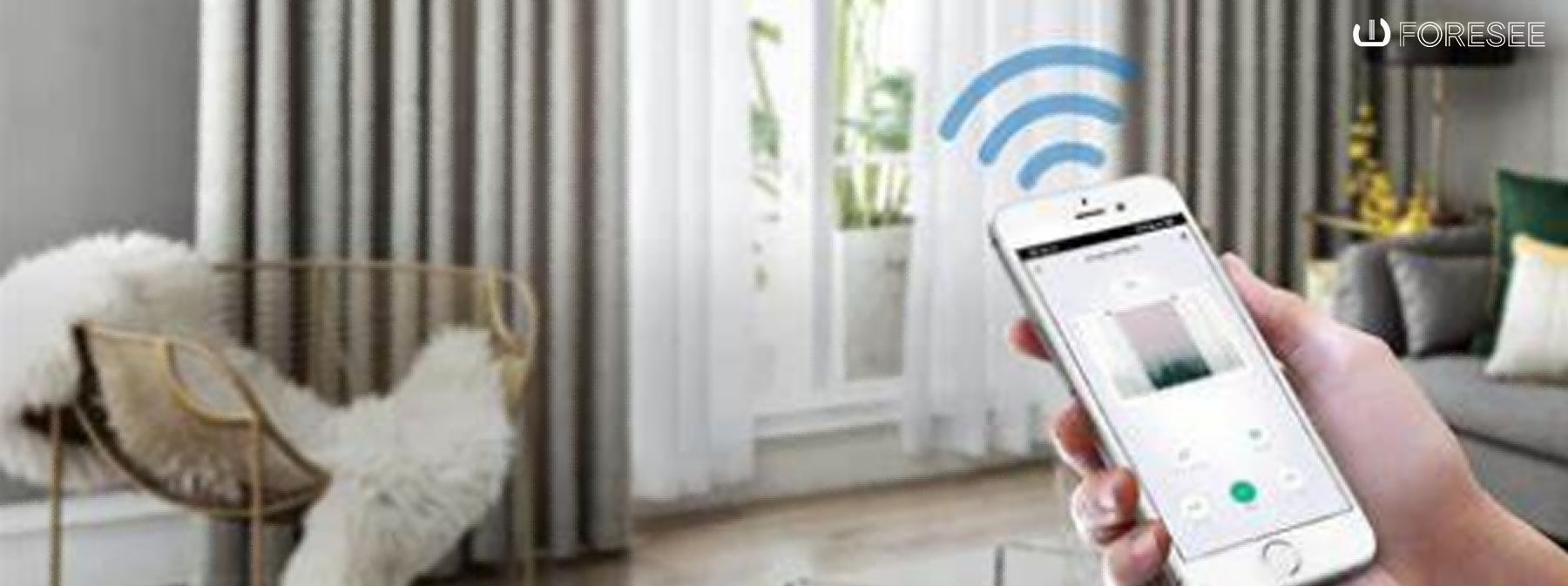
In a multifunctional living space, connected systems make daily use much easier. Lighting, curtains, and security work better when they are planned as part of the same setup, especially in open-plan homes that shift between work, relaxation, and entertaining. A bright daytime setting, a softer evening scene, and an away mode for lights, blinds, and security can all help the room adapt more smoothly throughout the day.
4C Global’s Tuya Smart range supports this kind of setup with smart touch screens, knob panels, button switches, smart locks, cameras, sensors, and curtain controls. In living areas, the Dream Blinds Series is a practical option because it brings blind control and lighting control into one system while also supporting app, voice, and timer operation. Motion and brightness sensors can further improve comfort by adjusting lighting automatically as conditions change.
The best smart features stay in the background. A motorized blind can close when afternoon sun becomes too harsh, lights can shift from task-focused brightness to a warmer evening atmosphere, and a smart lock or camera can strengthen security without adding visual clutter. In a custom living space, that kind of convenience should feel natural rather than noticeable.
Multi-Purpose Zones with Custom Partitioning
A multifunctional room does not need to stay completely open all the time. What matters is giving each activity enough definition to feel intentional. In many cases, zoning works better than permanent construction. A reading corner can sit behind the sofa, a compact work area can make use of a quiet edge near the window, and a media zone can be shaped by lighting, a rug, or a change in wall finish.
Custom partitions make those transitions cleaner. Sliding doors, fluted glass panels, open shelving, pivot screens, and movable dividers can add privacy when needed without making the room feel closed off. This is especially useful in homes where work, study, and social time all happen in the same shared space.
The most effective partitions are visually light. They define function without blocking daylight or interrupting the overall flow of the room. A low storage divider can separate a lounge from a study nook, while a slim framed glass screen can soften noise and distraction without making the space feel heavy. Good zoning should make the room easier to read, not more complicated.
Built-In Storage Solutions for Clutter-Free Living
A multifunctional room only works when clutter is under control. Without proper storage, even a well-designed space can start to feel crowded very quickly. Books, toys, devices, chargers, blankets, and work materials all need a place to go, which is why storage should be considered from the start.
Built-in cabinetry works best when it reflects the way the room is actually used. A family living room may need concealed media storage, cable management, and closed cabinets for everyday items. A space that also supports remote work may need drawers for documents, a hidden printer shelf, or a niche for a fold-out desk. Wall cabinets, bench storage, and floor-to-ceiling units can all add capacity without taking too much visual space.
In a custom living space, storage should support both order and layout. A window bench can provide seating while hiding extra items inside. A partition wall can include open display shelves on one side and closed storage on the other. A TV wall can hold equipment, books, and decorative pieces in one clean composition. When storage is integrated into the room this way, the whole space feels calmer and more controlled.
Lighting Design to Enhance Functionality
Lighting has a major influence on how a multifunctional room works. A space used for relaxing, working, and socializing needs more than one type of light. Ambient lighting provides overall comfort, task lighting supports focused activities such as reading or working, and accent lighting adds depth and atmosphere later in the day.
Layered lighting becomes even more important in open-plan layouts. A work corner may need brighter and cooler light during the day, while the seating area usually feels better with warmer and softer illumination in the evening. Dimmer control is useful here because brightness should respond to how the room is being used rather than stay fixed at one level.
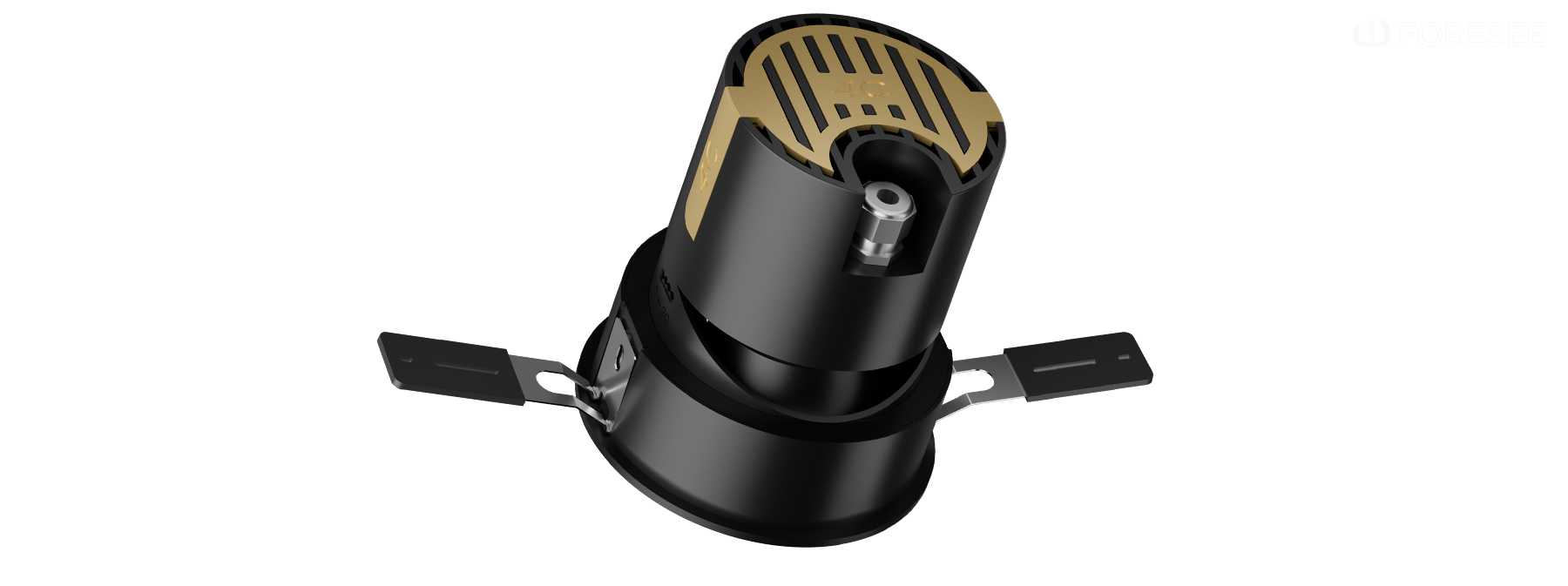
For projects that need more flexibility, 4C Global’s lighting range offers options for both function and atmosphere. Decorative fixtures can add visual character, while the LINEA magnetic track series supports more precise lighting control with high CRI, multiple beam angles, and compatibility with dimming and smart-control systems such as Tuya. For more focused lighting, the JAN spotlight line offers full-spectrum SunLike LED, strong color rendering, different beam-angle options, and a clean recessed appearance that suits modern ceilings. Used together, these types of fixtures make it easier to build a balanced lighting scheme for different zones and activities.
Tips for Planning Your Custom Living Space
Start with daily routine rather than furniture. Look at how the room is used on weekdays and weekends, then separate the functions that need a permanent place from the ones that only appear occasionally. That usually makes the layout much easier to plan.
Be realistic about space. Many multifunctional rooms fail because every use is given too much room. It is usually better to give the main activity enough space to work properly and keep secondary functions compact. A small, well-placed work niche often performs better than a large desk area that interrupts the rest of the room.
It also helps to plan infrastructure early. Smart controls, curtain tracks, concealed wiring, outlet placement, and layered lighting all work better when they are considered before the finishes and furniture are finalized.
Material consistency matters too. Different zones can serve different purposes, but they should still feel like part of the same room. Repeating finishes, colors, and forms helps the space feel cohesive instead of improvised.
A successful multifunctional room is not about adding more features. It is about making everyday use feel easier. When zoning is clear, storage is built in, lighting is layered, and smart systems are integrated in a practical way, the room becomes more comfortable, more efficient, and easier to live in. For projects that need both customization and system coordination, 4C Global can provide solutions across smart home systems, lighting, furniture, and other living-space applications.