
Smart Button Switch vs Traditional Switch: Which One Is More Suitable
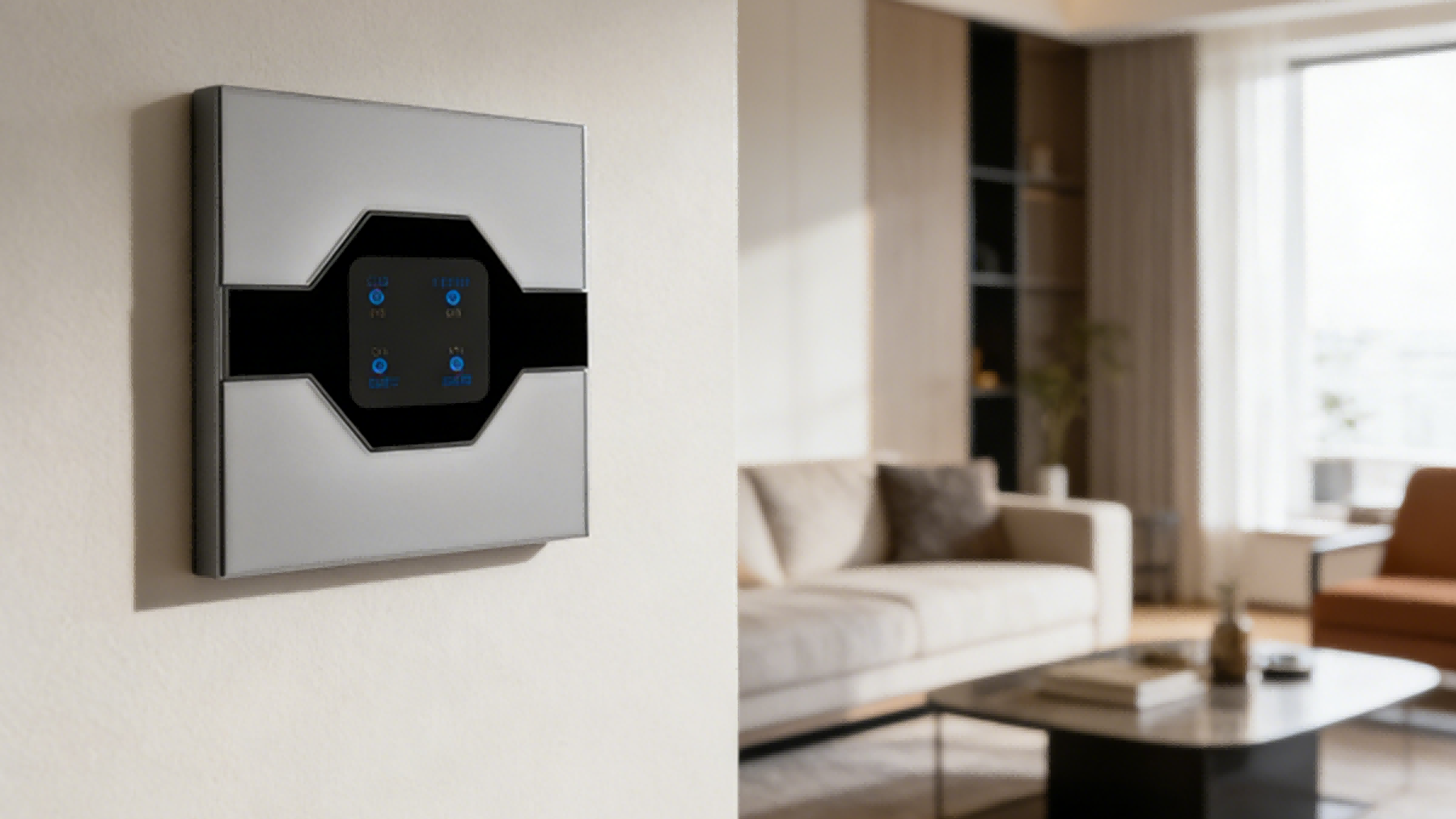
When people choose a wall switch today, the decision is no longer only about turning a light on and off. In modern homes, villas, apartments, and hospitality spaces, a switch also affects daily convenience, visual consistency, and how easily the interior can support future upgrades. That is why the comparison between a traditional button switch and a smart button switch has become more relevant than ever.
A traditional button switch still works well in many projects. It is simple, familiar, and direct. But a smart button switch changes the role of the wall switch completely. It can become part of a connected system, trigger scenes, coordinate with curtains and sensors, and help create a cleaner control experience across the whole interior.
Understanding the Traditional Button Switch
A traditional button switch works through a straightforward electrical principle. Inside the switch, conductive contacts either touch or separate. When the contacts touch, the circuit is closed and current flows. When they separate, the circuit opens and the load turns off. In practical terms, this means the switch directly controls the connected light or appliance through fixed wiring.
This type of button switch remains popular because it is easy to understand and easy to use. There is no network pairing, no app dependency, and no scene logic to configure. In a small room or a basic residential project, that simplicity can still be a strength. For homeowners who only need one switch to control one load in one location, a traditional switch often feels sufficient.
When the space becomes more complex, the limitation of traditional button appears . A conventional button switch is usually tied to one circuit and one task. It does not naturally coordinate with curtains, sensors, climate devices, or preset room scenes. It also does not offer the same flexibility when interior designers want cleaner control points and fewer visible interfaces on the wall. Once a project starts asking for central control, multi-device interaction, or future smart expansion, the traditional button switch starts to feel narrow in scope.
How a Smart Button Switch Redefines Control
A smart button switch still gives users the tactile certainty of pressing a real wall button, but its role is much broader. Instead of acting only as a mechanical on-off point, it becomes a control node inside a connected smart home system. Depending on the model, one press can switch a circuit, trigger a preset scene, coordinate multiple devices, or communicate wirelessly with other smart products through Zigbee or Bluetooth-based ecosystems. Zigbee, in particular, is widely used in smart buildings because it is designed for interoperable, reliable, low-power connected devices.
4C Global’s product range makes that shift very clear. The K2 Series is built around 8-scene button control, combining four scene controls and four individual switches so users can manage curtains, air conditioning, lighting, and scheduled devices from one interface. The Z1 Series and W1 Series emphasize standard wall installation, low standby consumption, Zigbee wireless communication, and integration with Tuya-based smart home systems. These are not minor upgrades to a normal switch. They redefine what a wall control point can do.
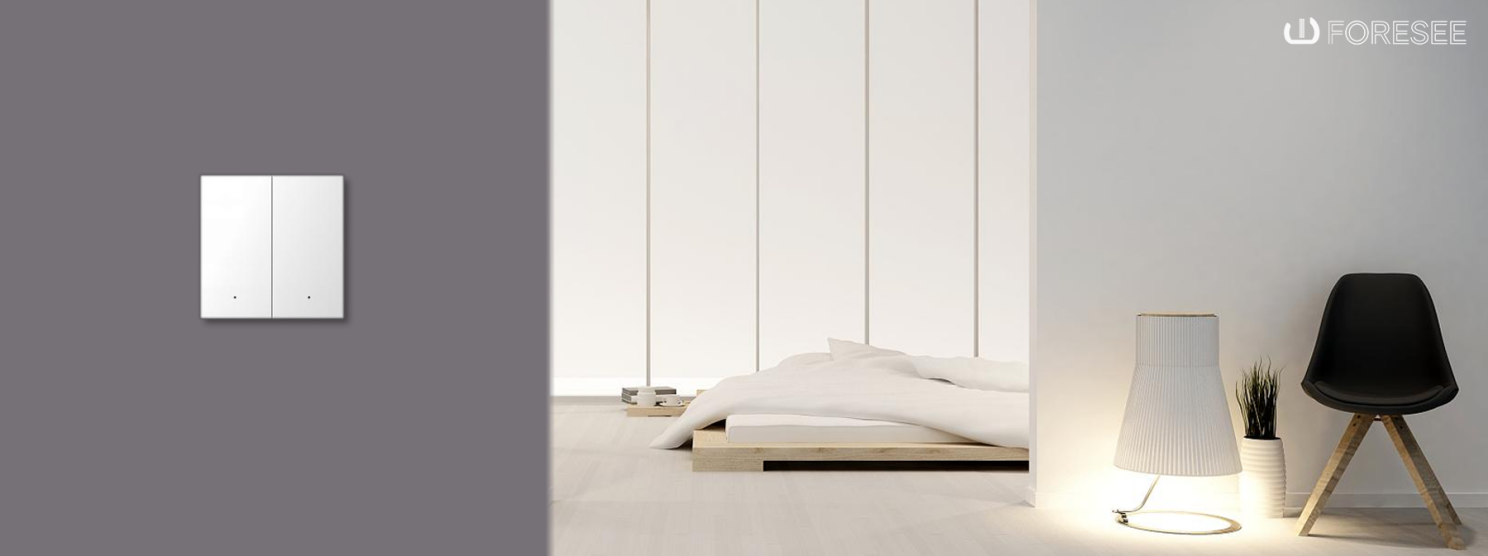
This matters a lot in modern interiors. A smart button switch can reduce control fragmentation. Instead of scattering separate controls for lights, curtains, and automation across the room, designers can create a cleaner interface with fewer visual interruptions. It also supports a more natural daily routine. A single button can activate an arrival mode, a reading mode, or a night scene, rather than forcing the user to operate several devices one by one. That kind of convenience is exactly why smart control has become part of contemporary residential and hospitality lighting system planning.
Smart Button Switch vs Traditional Button Switch
The biggest difference is not simply that one is “smart” and one is “manual.” The real difference is how each switch fits into the life of the space. A traditional button switch is a local control tool. A smart button switch is part of a larger control system that can scale with the interior.
|
Aspect |
Traditional Button Switch |
Smart Button Switch |
|
Core working method |
Physically opens or closes a wired circuit through conductive contacts. |
Combines physical button input with connected control logic through Zigbee, Bluetooth, or an integrated smart ecosystem. |
|
Control scope |
Usually one switch controls one local load. |
One panel can control multiple circuits, scenes, or linked devices such as lighting and curtains. |
|
User experience |
Direct and familiar, but limited to simple on/off use. |
More flexible, supports scene activation, centralized routines, and cleaner day-to-day control. |
|
Installation path |
Best for straightforward electrical layouts. |
Available in wired wall-mounted formats and no-wiring stick-on formats, depending on project needs. |
|
Expandability |
Limited. It does not naturally grow into a wider smart system. |
Built for ecosystem integration and future smart home expansion. |
|
Interior integration |
Functional, but often isolated from other controls. |
Better suited to unified smart home interfaces and coordinated device control. |
In short, the traditional button switch is still effective for simple switching tasks. The smart button switch is more suitable when a project values scene control, future scalability, and a more integrated interior experience. That is why the comparison is not really about old versus new. It is about whether the space only needs a switch, or whether it needs a control strategy.
Installation Considerations for Smart Button Switch
Installing smart button switch systems involves more than swapping out old wall controls. Good results depend on wiring conditions, control requirements, and installation limits within the project. Before making a choice, it helps to look at three points: electrical setup, system fit, and ease of use.
Check Wiring Conditions First
Wiring comes first. In new builds or full renovations, planning usually feels easier because cable routes and wall boxes can be arranged around smart control needs from the start. In older homes or finished interiors, existing conditions may limit available options and increase installation work.
For this reason, product selection should start with site conditions, not catalog language. A switch may look suitable on paper and still prove awkward once real wall conditions come into play.
Define Control Needs Early
Smart button switch products often do more than basic on and off control. In many projects, one panel may handle scene activation, multiple lighting zones, curtain control, or links with other connected devices. Once control scope expands, installation planning needs to expand with it.
Clear function planning matters here. Without it, even compatible products can feel excessive, confusing, or badly assigned after installation.
Keep Convenience Higher Than Complexity
More features do not always lead to better results. In retrofit projects especially, value often comes from better control with less disruption, not from maximum feature count. Installation should improve daily use instead of adding extra friction during setup and after handover.
Ease of use matters just as much as technical fit. If button layout feels cluttered or scene logic takes effort to remember, smart control quickly stops feeling smart.
Choosing the Suitable Button Switch for Modern Interiors
Suitable choice depends less on trend and more on how space works in daily life. Some rooms only need direct control. Others benefit from broader, more flexible control across several functions. Real difference lies in use pattern, not in marketing language.
Traditional Switches Still Suit Simple Spaces
In rooms with straightforward needs, traditional button switches still work well . When one switch controls one light and nothing more, conventional mechanical control often remains practical, familiar, and easy to use.
In spaces without scene settings, automation, or linked devices, smart upgrades may add complexity without adding much value.
Smart Switches Fit Layered Spaces Better
Smart button switch systems make more sense in interiors with layered lighting, curtain control, or scene-based routines. Bedrooms, living rooms, and hospitality spaces often fall into this category because control needs go beyond single-circuit operation.
In settings like these, smart control helps reduce repeated actions and creates cleaner interaction across the room.
Conclusion
A traditional button switch still has value. It is simple, direct, and dependable for straightforward switching tasks. But in modern interiors, where users expect convenience, coordinated scenes, and room-wide control from a clean interface, a smart button switch is usually the more suitable choice.
That is where 4C Global stands out. Its smart button switch range covers different project conditions, from wired multi-scene panels to flexible no-wiring options, and it sits inside a wider smart home ecosystem that includes curtains, sensors, and centralized controls. For designers, developers, and homeowners who want a switch that fits the way modern spaces actually work, exploring 4C Global’s smart button switch solutions is a practical next step.