
How Smart Systems Improve Efficiency in Small Space Interior Design
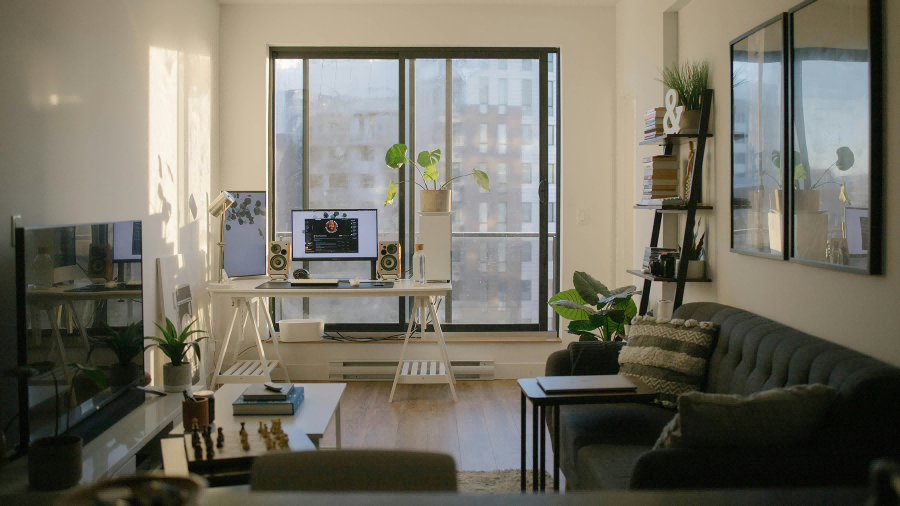
With the rapid pace of urbanization, small spaces have become the mainstream form for residential buildings, apartments, and some commercial spaces. Maximizing functionality and optimizing the user experience within limited space has become a crucial issue in design and engineering. Small space interior design not only needs aesthetics and comfort but also emphasizes efficiency and intelligent collaboration.
With the mature application of intelligent systems, space design is no longer limited to traditional layouts but is evolving towards an integrated approach of "space + technology," thereby significantly improving overall usability.
Why Efficiency Matters in Small Space Interior Design
In small space interior design, efficiency not only means maximizing space utilization but also encompasses ease of use, energy control, and overall optimization of the living experience.
First, small spaces inherently have limited area, amplifying any design waste. Therefore, improving efficiency means maximizing the value of every square meter through more rational layout and system configuration.
Second, user needs for space are shifting from single-function to multi-functional, such as a space serving as an office, rest area, and storage area. In this case, small space interior design must leverage intelligent technologies to improve space switching efficiency.
Finally, modern users have increasingly higher demands for convenience. Efficient design is not only reflected in space utilization but also in the user experience, such as the interconnected control of lighting, temperature control, and curtain systems, all of which directly impact user satisfaction.
Key Challenges in Traditional Small Space Interior Design
Traditional small space interior design often faces challenges such as cluttered spaces and fragmented equipment management. Without the intervention of intelligent systems, designers struggle to balance aesthetics and practicality within a compact layout.
Limited Space for Multiple Functions
Traditional layouts often fail to resolve conflicts between living, working, and storage functions within the same physical space.
Functional Conflict: When desks, beds, and storage cabinets are crammed together, overlapping physical circulation routes make the space feel cramped.
Storage Bottlenecks: To free up space, many items are piled up within sight, lacking effective concealed management.
Inefficient Manual Control Systems
In small space interior design, due to the compact space, walls are often filled with furniture or decorations.
Dispersed Control Points: Residents may need to get up and move around multiple times to turn off lights, draw curtains, and adjust the air conditioning. For efficiency-conscious modern individuals, this repetitive manual operation is a burden.
Visual Redundancy: A dense array of switch panels can disrupt the minimalist aesthetic of a small interior design, making the already cramped space appear even more cluttered.
Poor Interaction Logic: Lack of pre-defined scene modes. For example, entering audio-visual mode requires manually adjusting multiple devices; this inefficient interaction often leads users to abandon these functions.
Lack of Integrated Design Solutions
Many small space interior designs fail to consider embedding underlying smart protocols in the initial stages.
Hardware and Software Incompatibility: Designers often find that devices from different brands cannot work together when adding smart devices later.
High Retrofit Costs: Traditional wired smart systems often require wall-mounted wiring, which is virtually impossible for projects with already completed interior decoration or extremely small spaces.
Lack of Systemic Thinking: Fragmented solutions fail to fundamentally improve the overall efficiency of small space interior design; instead, they increase maintenance costs.
How Smart Systems Enhance Small Space Interior Design Efficiency
Small space interior design is shifting from simple space optimization to comprehensive efficiency improvements across "space + system." By introducing smart controls, automated devices, and wireless connectivity, small spaces can achieve more efficient resource allocation and a more convenient user experience.
Centralized Control: The Brain of Small Space Interior Design
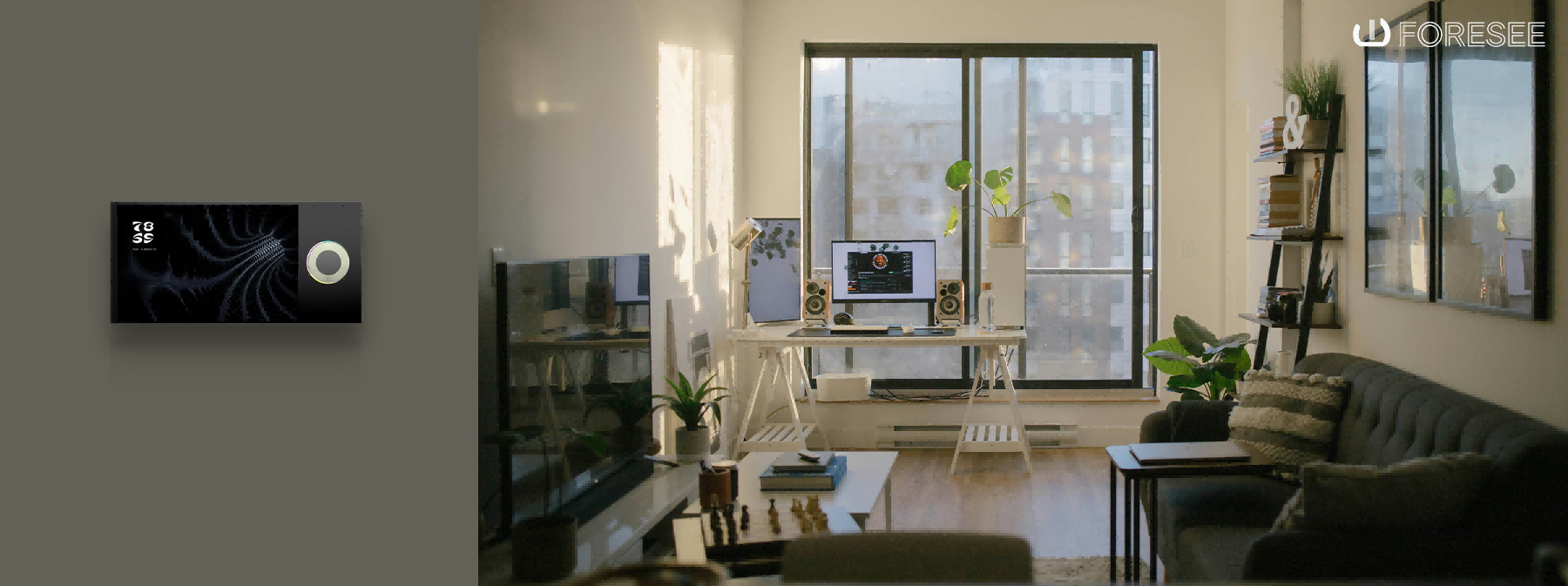
The combination of smart touch screens and smart knob panels has revolutionized control logic from complex to minimalist, significantly freeing up wall space.
Smart Touch Screen: It integrates all control functions for lighting, air conditioning, shading, music, etc. Designers can replace a wall full of mechanical switches with a single smart touch screen. In small space interior design, this high level of integration not only enhances the aesthetic purity of the visual experience but also allows users to manage everything from a single interface.
Smart Knob Panel: For scenarios requiring fine-tuning, the smart knob panel offers a smooth interactive experience. Its compact design is ideal for installation next to a bedside table or desk in small space interior design. Rotation allows for precise management, saving space and conforming to ergonomics.
Seamless Interaction: Voice and Physical Shortcuts
The introduction of smart speakers and Smart Button Switches provides multi-dimensional enhancements to spatial interaction.
Smart Speaker: With a smart speaker, users can issue commands at any time, changing the state of the space without moving. This is extremely practical in compact small space interior design.
Smart Button Switch: These switches are typically wireless and can be mounted anywhere—next to drawers, mirrors, or the entrance. In small space interior design projects, designers can preset "reading mode," "cinema mode," or "away mode," switching between them with a single button press using a smart button switch, eliminating the inefficient process of turning off devices one by one.
Proactive Management: Sensing and Security
Smart sensors and smart cameras endow the space with the ability to learn and protect itself.
Smart Sensors: These include human body sensors, light sensors, temperature and humidity sensors, etc. They are the nerve endings of small space interior design. For example, when sensors detect a person leaving an area, lights and air conditioning are automatically turned off, achieving ultimate energy efficiency. This state-based automatic response enables truly seamless operation in small space interior design.
Smart Camera: Compact smart cameras can be seamlessly embedded in hidden corners of small space interiors, providing not only security monitoring but also using AI algorithms to identify specific behaviors of residents and trigger corresponding intelligent linkages.
Benefits of Smart Small Space Interior Design Solutions
Integrating smart systems into small space interior design offers benefits far beyond simple convenience, bringing multi-dimensional value enhancement.
Effective Energy Management: Through precise automated control, energy waste is minimized.
Minimalist Visual Aesthetics: Smart panels can replace rows of mechanical switches, restoring a clean and uncluttered look to walls, perfectly aligning with the minimalist style pursued in modern small space interior design.
In modern urban life, small space interior design is no longer a compromise, but a reflection of a lifestyle. By introducing advanced smart systems from 4C Global, designers can overcome the limitations of physical space to create efficient, comfortable, and futuristic living spaces.