
How Smart Technology Makes Your CEO Office More Efficient
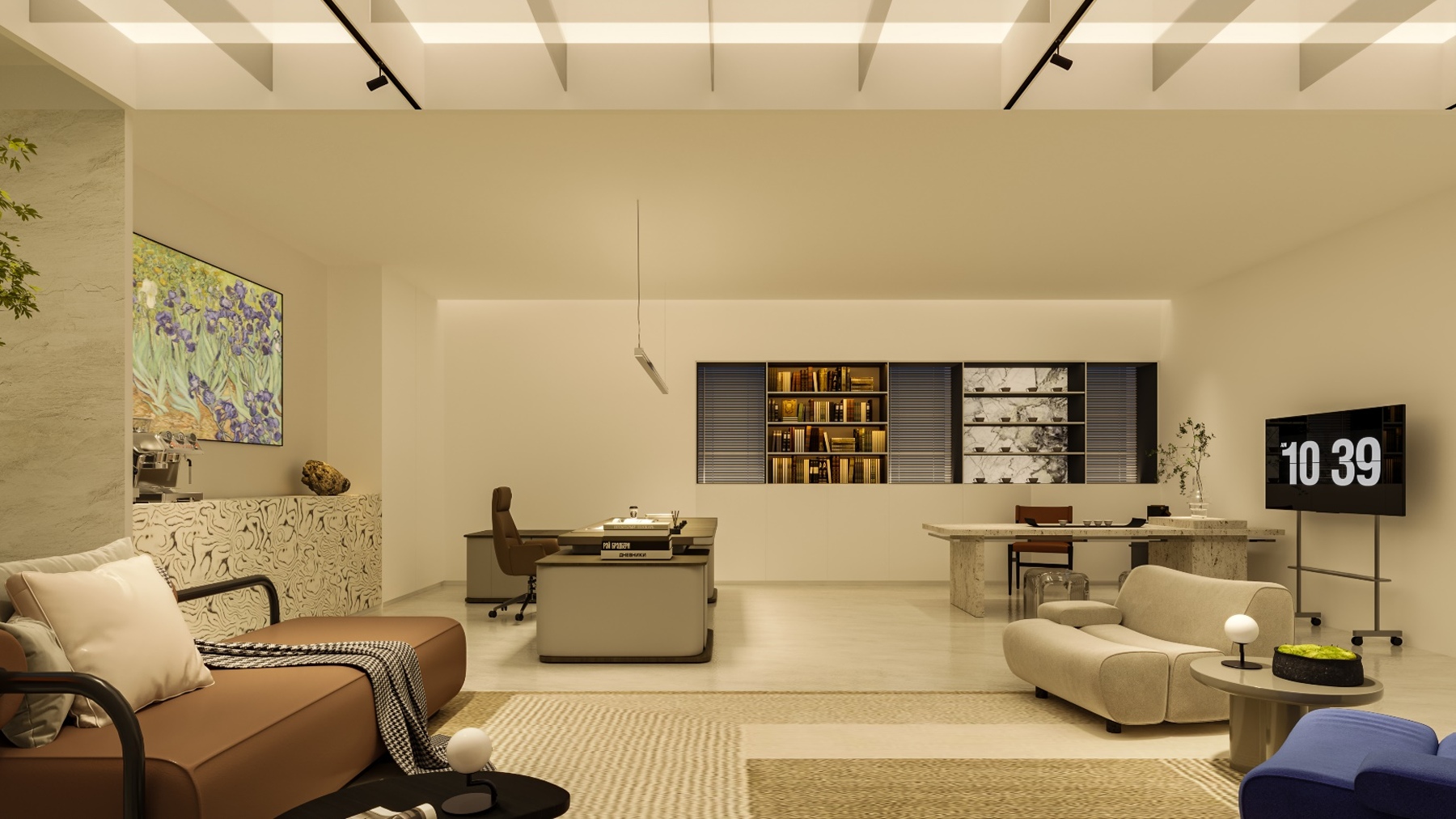
The modern executive workspace has undergone a radical transformation, moving far beyond the traditional image of heavy mahogany desks and quiet, isolated suites.
Today, the CEO office design serves as a high-performance command center where leadership, culture, and cutting-edge technology converge. As the demands of top-tier executives intensify—with many working upwards of 72 hours a week—there is a growing need for an environment that acts as an active tool for performance rather than just a container for people.
This evolution has given rise to the “Fourth Place”—a hybrid environment that seamlessly blends the comfort of home, the high-end productivity of an office, and the social energy of a community hub.
Modern architecture is entering a new era where technology, functionality, and aesthetics are becoming deeply connected. For architects, interior designers, and property developers, creating a successful project is no longer only about designing beautiful spaces. It is about developing intelligent environments that improve comfort, efficiency, security, and the overall user experience.
With the growing demand for connected living, smart home systems have become an important element in residential and commercial projects. By integrating intelligent lighting, automation, security, and control technologies, architects can create spaces that are more flexible, sustainable, and responsive to modern lifestyles.
For professional projects, choosing the right smart home solutions is not simply about installing smart devices. It requires a complete understanding of architectural planning, user requirements, system compatibility, and future scalability.
What Is a Smart Home System?
A smart home system is an integrated technology solution that connects different devices and building functions through intelligent control platforms. Users can manage lighting, temperature, security, curtains, and other systems through mobile applications, touch panels, voice control, or centralized management platforms.
A complete smart home system integrates multiple technologies to create a seamless intelligent environment. These solutions are widely used in luxury residences, villas, apartments, hotels, and commercial spaces.
For modern architectural projects, smart home technology provides designers with more possibilities to combine creativity with advanced functionality.
Key components of a smart home system include:
- Intelligent lighting control systems
- Automated curtain and shading systems
- Smart security and access control systems
- Climate control and energy management systems
- Audio and entertainment solutions
- Whole-house automation systems
Through professional smart home solutions, architects and designers can create spaces that are not only visually attractive but also more comfortable and efficient.
Why Smart Home Technology Matters in Modern Architectural Design
The expectations of building owners and users are changing. Today’s clients are looking for properties that provide personalized experiences, improved convenience, and long-term value.
Smart home technology helps architects respond to these changing demands by transforming traditional spaces into intelligent environments.
Creating Personalized Living Experiences
One of the biggest advantages of smart home systems is the ability to customize daily experiences.
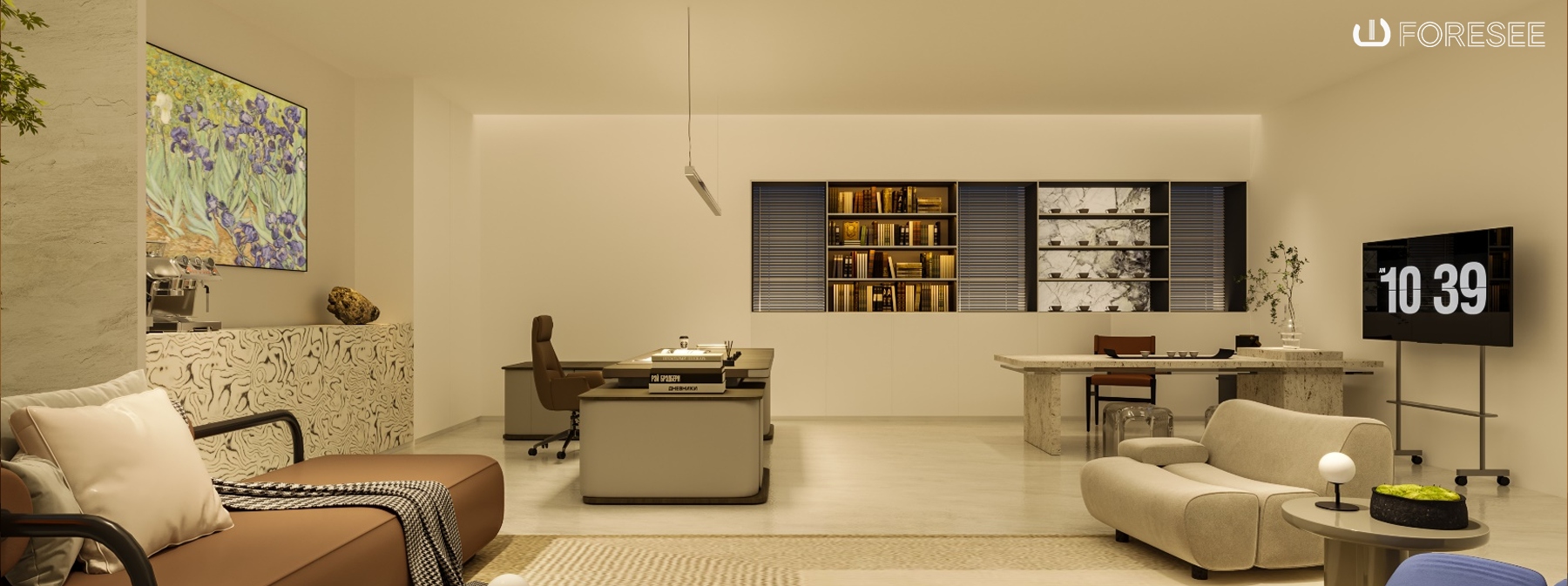
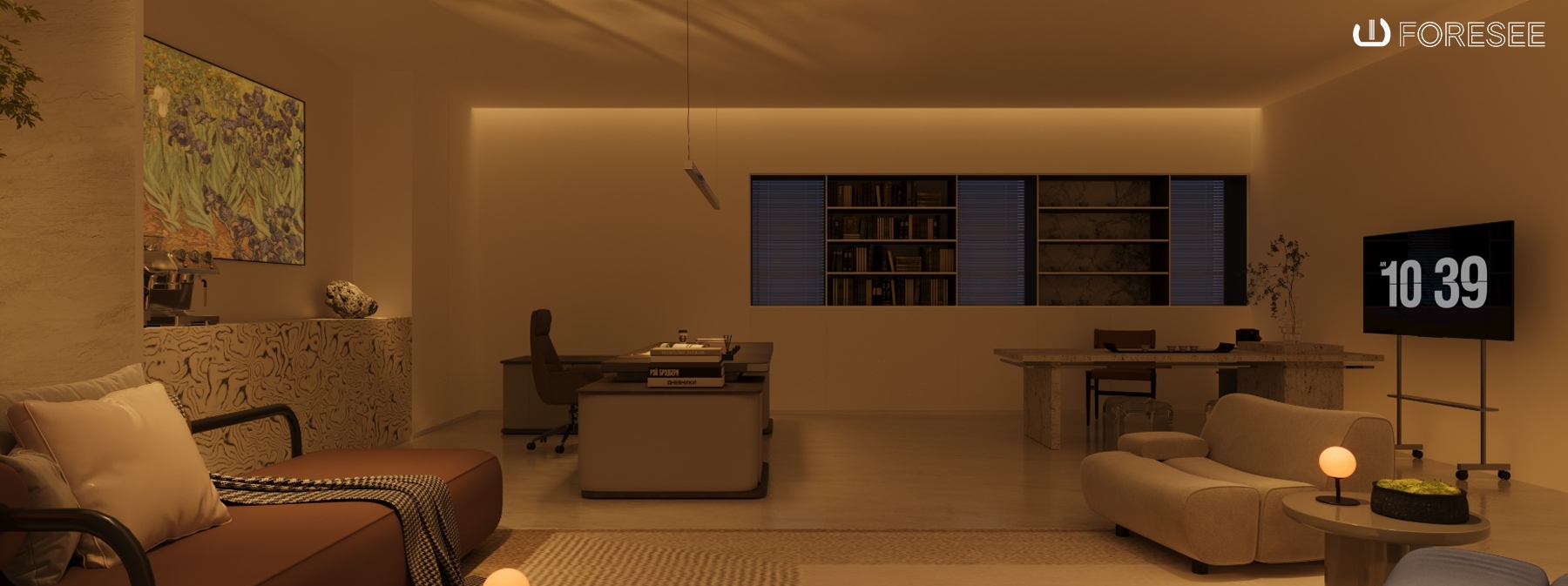
Lighting scenes can be adjusted according to different activities, such as working, relaxing, dining, or entertaining. Automated systems can control curtains, temperature, and security based on user preferences.
For luxury residential projects, intelligent technology creates a stronger connection between people and their living spaces.
By applying advanced smart lighting systems, designers can create different atmospheres while maintaining the original architectural concept.
Improving Energy Efficiency
Sustainable design has become a key focus in modern architecture. Smart home technology helps reduce energy consumption through intelligent monitoring and automation.
For example, smart lighting can automatically adjust according to natural light conditions, while intelligent climate control systems can optimize indoor temperatures based on occupancy.
These features support energy-efficient buildings and help property owners reduce long-term operating costs.
Increasing Property Value
For real estate developers, smart technology has become an important competitive advantage.
Modern buyers increasingly expect homes with intelligent features that improve safety, convenience, and lifestyle quality. Integrating smart home systems into residential developments can increase project value and create stronger market appeal.
Architects who understand smart technology integration can provide greater value to developers and end users.
Integrating Smart Home Solutions into Architectural Projects
Successful smart home projects require early planning and close cooperation between architects, designers, engineers, and technology suppliers.
Instead of adding smart devices after construction, intelligent systems should be considered during the initial design stage. This approach allows better integration of wiring, equipment placement, interior design, and user experience.
A professional smart home design process should consider:
- Project requirements and user lifestyles
- Building structure and electrical planning
- System compatibility
- Future expansion possibilities
- Visual integration with interior design
Smart Home Applications in Luxury Villas
Luxury villas are one of the most common applications for advanced intelligent home technology. Villa owners usually expect personalized experiences, premium comfort, and seamless automation.
Through customized villa smart home solutions, architects can integrate:
- Smart lighting scenes
- Automated curtains and shading systems
- Intelligent security systems
- Whole-house control solutions
- Entertainment and environmental management systems
For high-end residential projects, technologies such as KNX smart home systems provide stable and scalable solutions that support complex automation requirements.
Learn more about villa applications:
https://www.4cglobalbm.com/article/villa-design-solutions-modern-minimalist-living-defined-by-luxury-comfort-and-craftsmanship.html
Smart Home Solutions for Residential Projects
Smart technology is becoming increasingly popular in apartments, condominiums, and residential developments.
For developers, intelligent features help differentiate projects in competitive markets. For residents, smart systems provide improved security, comfort, and convenience.
Modern residential smart home solutions can include intelligent lighting, access control, environmental monitoring, and centralized management systems.
By integrating smart technology from the early design stage, architects can create future-ready residential environments that meet changing user expectations.
Smart Technology Applications in Hospitality and Commercial Projects
Smart technology is also transforming hotels, resorts, and commercial spaces.
In hospitality projects, intelligent control systems improve guest experiences while helping operators achieve better energy management and operational efficiency.
Applications include:
- Smart room control systems
- Automated lighting management
- Energy-saving solutions
- Intelligent access systems
For designers working on hospitality developments, integrating technology into architectural concepts creates more valuable and memorable spaces.
Explore related hospitality design applications:
https://www.4cglobalbm.com/article/the-popular-style-of-hospitality-interior-design-in-2026.html
Smart Home Communication Technologies for Modern Projects
Different projects require different technology approaches. A flexible smart home system should support reliable communication protocols and provide scalability.
4C smart home solutions support advanced technologies including:
Zigbee Smart Home Solutions
Zigbee smart home solutions provide reliable wireless communication for residential automation applications. They are suitable for lighting control, sensors, switches, and connected devices.
KNX Smart Home Systems
KNX smart home systems are widely used in high-end residential and commercial projects because of their stability, scalability, and professional automation capabilities.
Matter Smart Home Solutions
Matter smart home solutions improve compatibility between different smart devices and ecosystems, providing more flexible options for future smart buildings.
DALI Lighting Control Systems
For projects requiring advanced lighting management, DALI lighting control systems provide precise control and efficient lighting solutions.
Choosing the Right Smart Home Partner
The success of a smart home project depends not only on technology but also on selecting a reliable partner.
Architects, designers, and developers should consider:
- Professional project experience
- Customization capabilities
- Product compatibility
- Technical support
- Complete system integration ability
A professional smart home supplier can help transform architectural concepts into practical intelligent environments.
4C provides integrated smart home solutions for residential, hospitality, and commercial projects, supporting architects and designers with flexible technology solutions and professional project cooperation.
Learn more about 4C:
https://www.4cglobalbm.com/
The Future of Architectural Design with Smart Home Technology
Smart home technology is becoming an essential part of modern architecture. As buildings continue to evolve toward greater intelligence, sustainability, and personalization, architects and designers will play a key role in creating human-centered spaces.
The future of architecture is not only about creating attractive buildings. It is about designing environments that understand users, improve efficiency, and provide better experiences.
By combining architectural creativity with advanced smart home solutions, designers and developers can create intelligent spaces that deliver long-term value.
With professional smart home technology and customized project support, 4C helps global partners build smarter, more comfortable, and future-ready living environments.