Smart Home
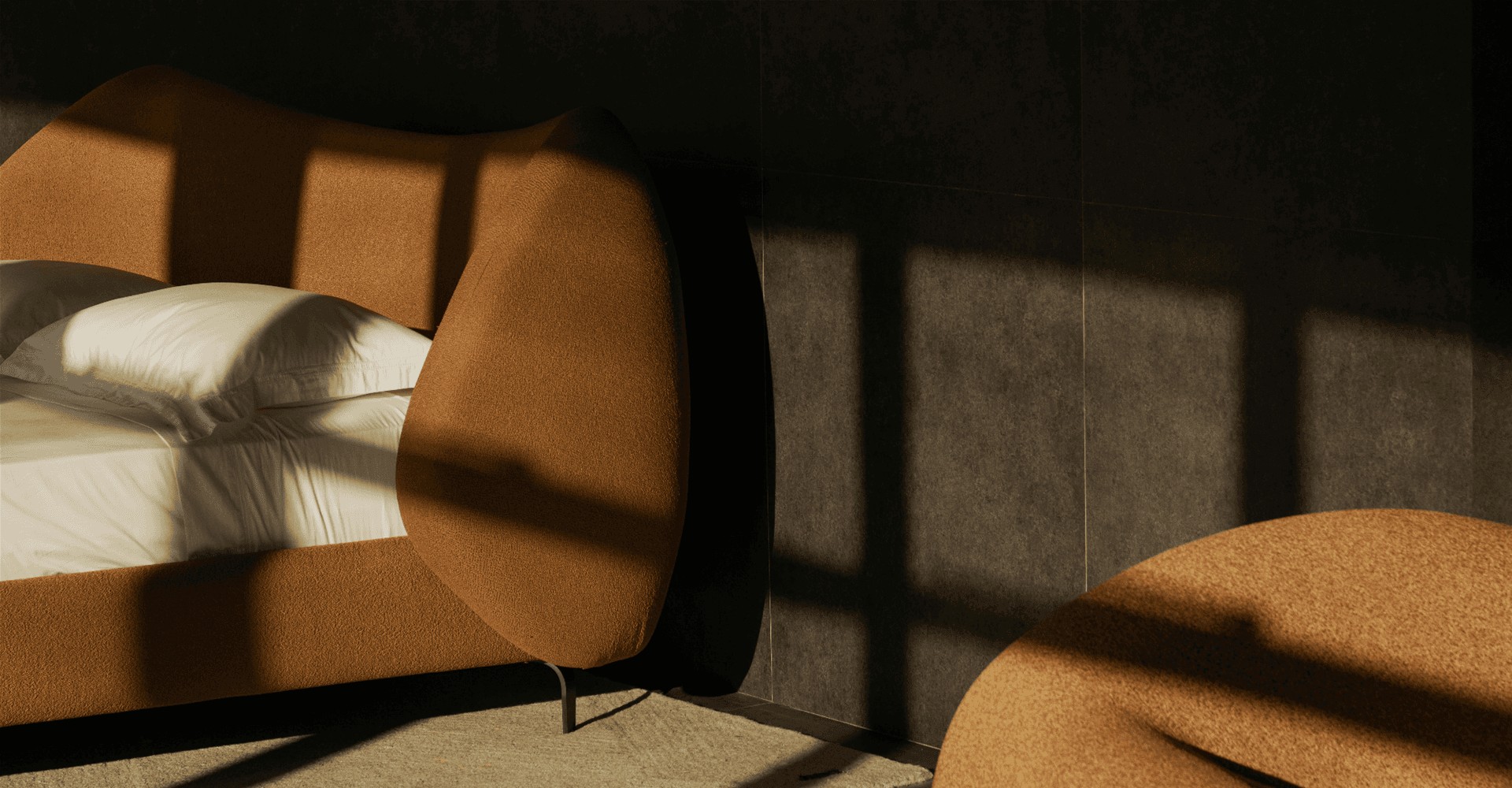

In today’s multi-functional living room, successful interior design focuses on smooth adaptability rather than displaying every function at once. A well designed custom living room organizes daily life through smart zoning, hidden storage, layered lighting, and flexible controls. The layout guides natural movement. Storage keeps the space visually calm. Lighting quickly changes mood and purpose. Smart systems reduce daily friction. When these elements work together, the multi functional living space supports everything from quiet mornings and work calls to family time and movie nights without ever feeling cluttered or chaotic.
With the rapid pace of urbanization, small spaces have become the mainstream form for residential buildings, apartments, and some commercial spaces. Maximizing functionality and optimizing the user experience within limited space has become a crucial issue in design and engineering. Small space interior design not only needs aesthetics and comfort but also emphasizes efficiency and intelligent collaboration.
With the mature application of intelligent systems, space design is no longer limited to traditional layouts but is evolving towards an integrated approach of "space + technology," thereby significantly improving overall usability.
Integrating a smart home system into a Mediterranean interior requires a "tech-invisible" approach. The goal is to preserve the warmth of natural materials—terracotta, stone, and reclaimed wood—while introducing modern efficiency through hidden sensors, circadian lighting, and climate control.
Smart Home
In today’s multi-functional living room, successful interior design focuses on smooth adaptability rather than displaying every function at once. A well designed custom living room organizes daily life through smart zoning, hidden storage, layered lighting, and flexible controls. The layout guides natural movement. Storage keeps the space visually calm. Lighting quickly changes mood and purpose. Smart systems reduce daily friction. When these elements work together, the multi functional living space supports everything from quiet mornings and work calls to family time and movie nights without ever feeling cluttered or chaotic.
Smart Home
With the rapid pace of urbanization, small spaces have become the mainstream form for residential buildings, apartments, and some commercial spaces. Maximizing functionality and optimizing the user experience within limited space has become a crucial issue in design and engineering. Small space interior design not only needs aesthetics and comfort but also emphasizes efficiency and intelligent collaboration.
With the mature application of intelligent systems, space design is no longer limited to traditional layouts but is evolving towards an integrated approach of "space + technology," thereby significantly improving overall usability.
Smart Home
Integrating a smart home system into a Mediterranean interior requires a "tech-invisible" approach. The goal is to preserve the warmth of natural materials—terracotta, stone, and reclaimed wood—while introducing modern efficiency through hidden sensors, circadian lighting, and climate control.
Sanitary
Luxury, comfort, and craftsmanship come together in our modern minimalist villa design solutions. Created for spacious private residences, our villa concepts focus on openness, material quality, and seamless integration of lighting, smart home technology, furniture, and building materials.
Every villa is designed as a complete living environment—where architecture, interior design, and technology work in harmony to enhance daily life.