
Harmonizing Smart Technology with Mediterranean Interior Design
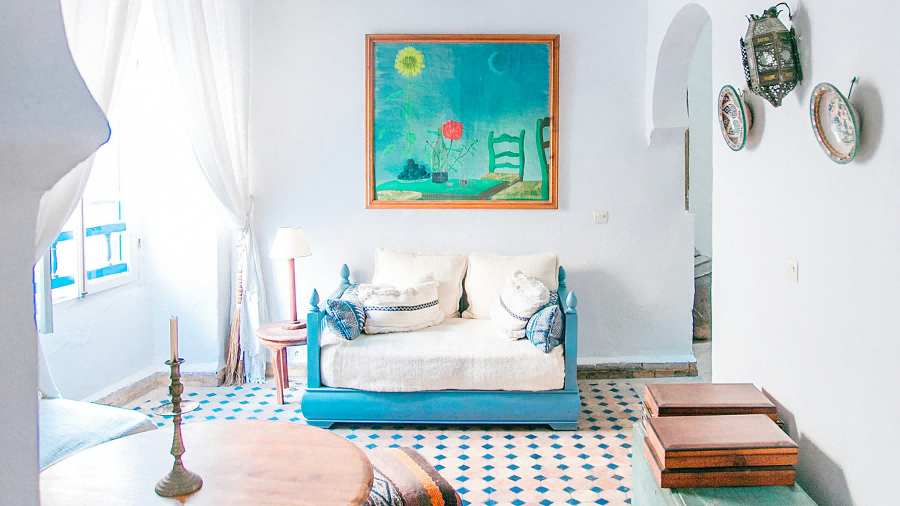
Integrating a smart home system into a Mediterranean interior requires a "tech-invisible" approach. The goal is to preserve the warmth of natural materials—terracotta, stone, and reclaimed wood—while introducing modern efficiency through hidden sensors, circadian lighting, and climate control.
Mediterranean interior design is admired for its warmth, natural beauty, and relaxed atmosphere. Inspired by coastal regions, traditional craftsmanship, and the connection between indoor and outdoor spaces, this design style creates homes that feel comfortable, elegant, and timeless.
With its combination of natural materials, soft colors, and handcrafted details, Mediterranean style continues to influence modern residential design. Today, designers are also exploring how contemporary technology can be integrated into this classic aesthetic without affecting its original charm.
By balancing traditional elements with modern features, Mediterranean interiors can create spaces that are both visually appealing and comfortable for everyday living.
The Beauty of Mediterranean Interior Design
Mediterranean interior design focuses on creating a sense of harmony between people and their surroundings.
Unlike styles that emphasize strong visual contrasts, Mediterranean interiors often use natural tones, organic textures, and simple forms to create a calm and welcoming environment.
Common characteristics include:
- Warm and neutral color palettes
- Natural materials
- Textured surfaces
- Comfortable furniture
- Abundant natural light
- Connection between indoor and outdoor spaces
This design style is especially popular in villas, coastal homes, and modern residences where homeowners want a relaxed yet sophisticated living experience.
Key Elements of Mediterranean Style
Natural Materials and Textures
Natural materials are one of the defining features of Mediterranean interiors.
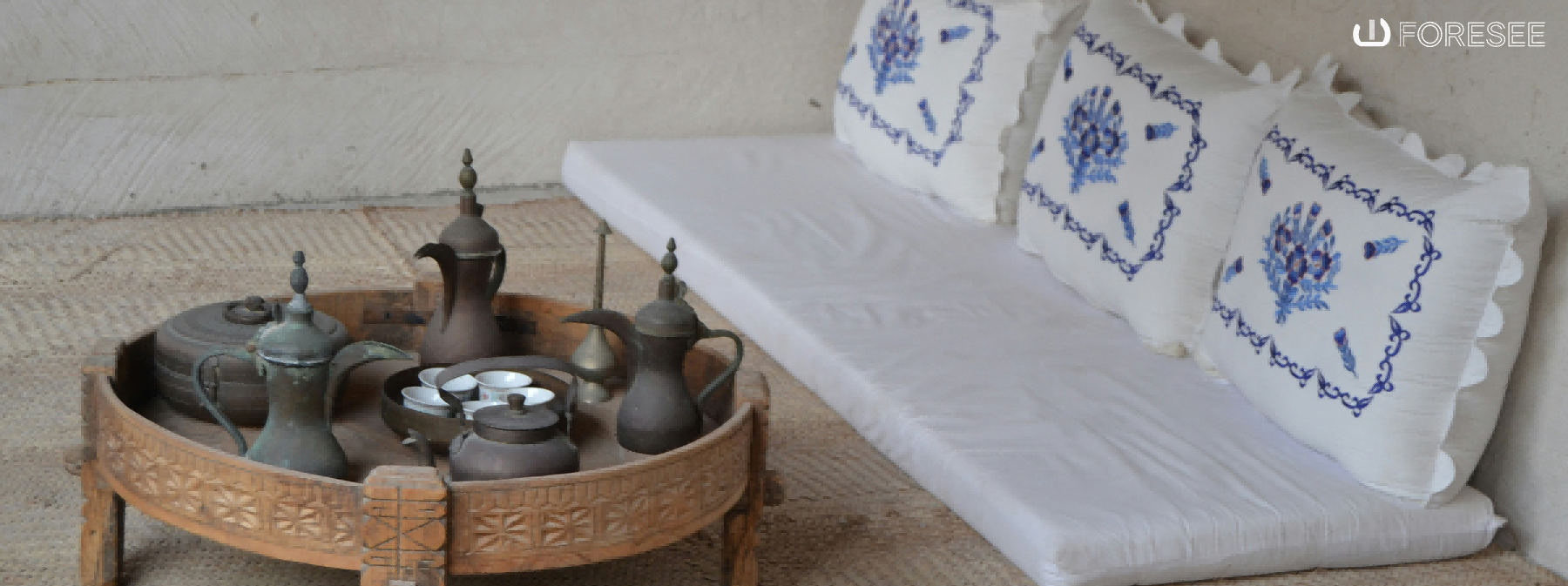
Wood, stone, clay, linen, and handcrafted finishes bring warmth and authenticity to the space. These materials add visual depth while creating a connection with nature.
For example:
- Wooden beams can add architectural character
- Stone walls create a rustic yet elegant feeling
- Natural fabrics improve comfort
- Handmade decorations add personality
The combination of different textures helps create interiors that feel layered and inviting.
Warm Colors and Relaxed Atmosphere
Color plays an important role in Mediterranean design.
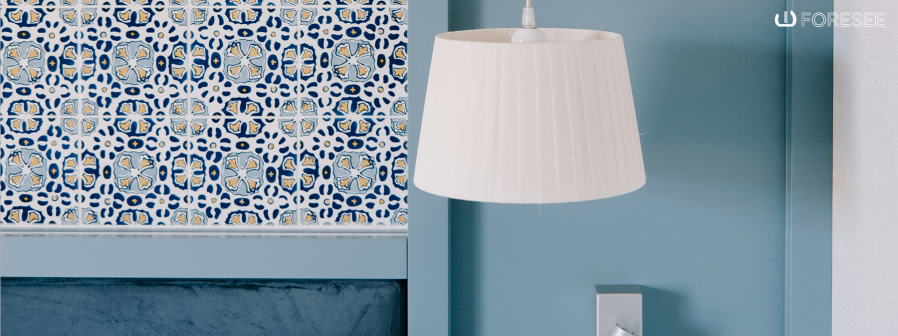
Traditional Mediterranean spaces often use colors inspired by nature, including:
- Soft beige
- Warm white
- Terracotta
- Sand tones
- Olive green
- Ocean blue
These colors create a peaceful atmosphere while allowing furniture, artwork, and architectural details to become visual highlights.
For modern homes, designers often combine these warm tones with minimalist layouts to create a more contemporary interpretation of Mediterranean style.
Creating a Strong Connection Between Indoor and Outdoor Spaces
One of the most attractive features of Mediterranean design is the relationship between interior and exterior environments.
Large windows, open layouts, balconies, terraces, and courtyards are commonly used to bring natural light and outdoor scenery into the home.
This approach creates a smoother transition between living spaces and encourages a more relaxed lifestyle.
For villa projects and luxury residences, this design concept is often combined with carefully planned lighting and technology to enhance comfort while maintaining the natural feeling of the space.
How Smart Technology Complements Mediterranean Interiors
Modern technology is becoming an important part of contemporary interior design. When carefully integrated, smart home features can improve convenience without changing the visual identity of Mediterranean interiors.
For example, smart lighting solutions can help designers create different atmospheres throughout the day.
Lighting scenes can be adjusted for different moments:
- Soft lighting for relaxing evenings
- Brighter lighting for daily activities
- Accent lighting to highlight artwork and architectural details
Automated curtains and intelligent controls can also help manage natural light while maintaining the open and comfortable feeling that defines Mediterranean style.
Modern Mediterranean Interior Design Inspiration
Today’s Mediterranean interiors are evolving by combining traditional craftsmanship with contemporary design ideas.
Modern interpretations often include:
- Minimalist furniture
- Clean architectural lines
- Natural material combinations
- Hidden technology integration
- Customized lighting design
The goal is not to replace traditional Mediterranean elements but to enhance the living experience through thoughtful design choices.
Designers can explore different approaches through interior design style guides and discover how various styles influence modern living spaces.
Creating a Timeless Mediterranean Home
Mediterranean interior design remains popular because it focuses on comfort, natural beauty, and long-lasting appeal.
By combining warm colors, natural materials, thoughtful layouts, and modern elements, designers can create spaces that feel elegant while remaining practical for everyday life.
Whether used in a villa, residential project, or contemporary home, Mediterranean style provides endless inspiration for creating welcoming and harmonious interiors.
For more design inspiration, explore product moodboards to discover different material combinations and interior concepts.