
Why Smart Technology is Important Hospitality Interior Design
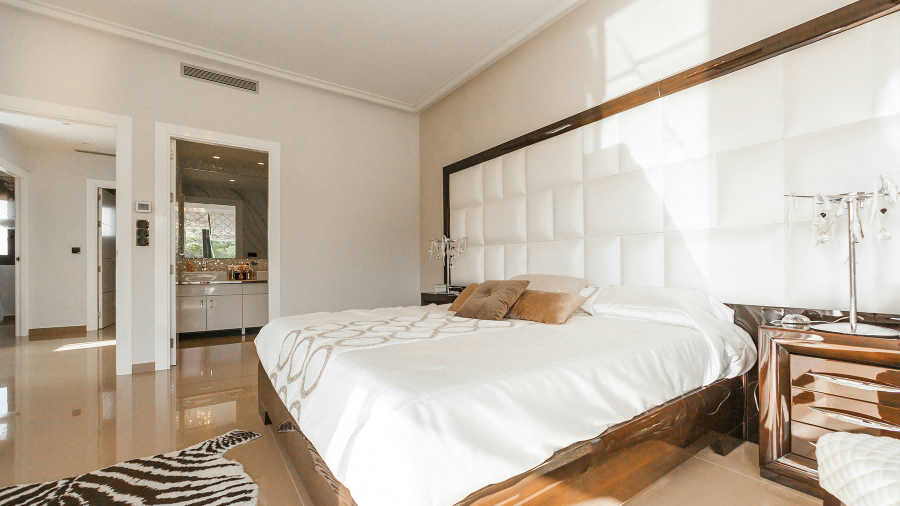
The introduction of smart technologies enables spaces to proactively respond to user needs, thereby enhancing the experience while optimizing operational efficiency. By combining systematic solutions with smart devices, hospitality interior design not only achieves a higher level of functional integration but also helps businesses establish a differentiated advantage in a highly competitive market.
The Evolving Role of Hospitality Interior Design
In the past, hotel and service industry space design primarily focused on visual effects and spatial layout, such as decorative style, material selection, and color scheme. However, as consumers' demands for experience have increased, traditional design alone is no longer sufficient. Modern hospitality interior design emphasizes the interactivity, intelligence, and overall experience of the space.
First, the design goal has shifted from "creating beautiful spaces" to "building immersive experiences." For example, upon entering a hotel room, guests expect lighting, temperature, and equipment to automatically adjust to a comfortable state, rather than requiring manual operation. This experience relies heavily on smart technology.
Second, user demands for convenience and personalization are constantly increasing. Mobile device control, contactless check-in, and automated services have become important standards for modern hotels. Therefore, hospitality interior design must integrate intelligent systems to enable spaces to dynamically adjust according to different user needs.
Furthermore, brand expression has become an important design objective. Spaces must not only fulfill functional requirements but also reflect brand identity. For example, high-end hotels emphasize a sense of technology and privacy, while resort hotels focus on comfort and a blend with nature. These all require systematic design and technology to achieve.
How Smart Technology Enhances Hospitality Interior Design
In modern hotel spaces, the application of smart devices has become a key means of enhancing design quality. 4C Global's product system helps designers and operators achieve more efficient space management and experience optimization.
Smart Touch Screens: Centralized Control Hub
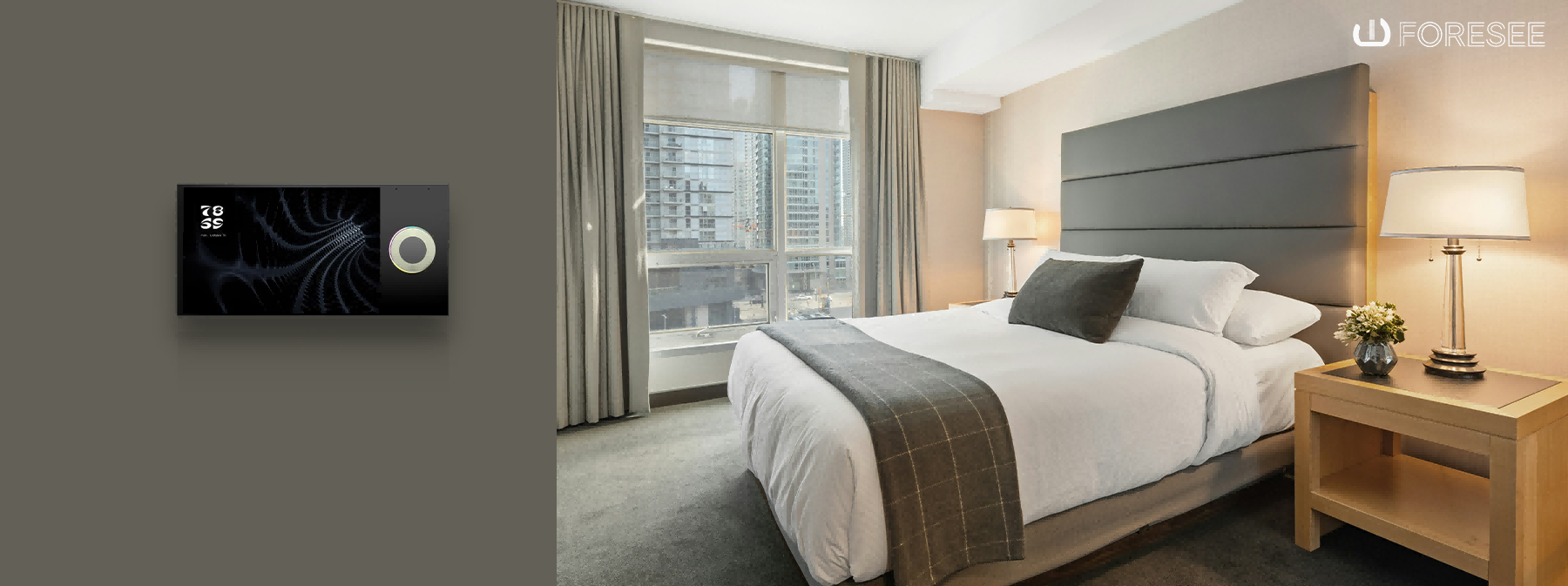
As the control center of the space, smart touchscreens can centrally manage lighting, air conditioning, and equipment operation. Through an intuitive interface, managers and users can quickly adjust environmental settings to maintain spatial consistency. This centralized control capability significantly improves the efficiency of hospitality interior design.
Smart Sensors: Adaptive Environmental Adjustment
Smart sensors can detect real-time light, temperature, and occupant activity in the space and automatically adjust equipment. For example, lights and air conditioning can be automatically turned off when a room is unoccupied, reducing energy waste. This dynamic adjustment makes hospitality interior design smarter and more user-friendly.
Smart Door Locks: Enhanced Security and Experience
Smart door locks support multiple unlocking methods, facilitating quick guest check-in while enhancing security. The door lock system can also be linked with other devices, such as automatically turning on lights after the door is opened, further optimizing the spatial experience. This integration is a key aspect of the intelligence in hospitality interior design.
Smart Switches: Refined Scene Control
Smart button switches can be set with different lighting modes according to various usage scenarios, such as a welcome mode or a rest mode, enhancing the ability to control the spatial atmosphere. This flexible control method elevates hospitality interior design to a higher level in both visual appeal and functionality.
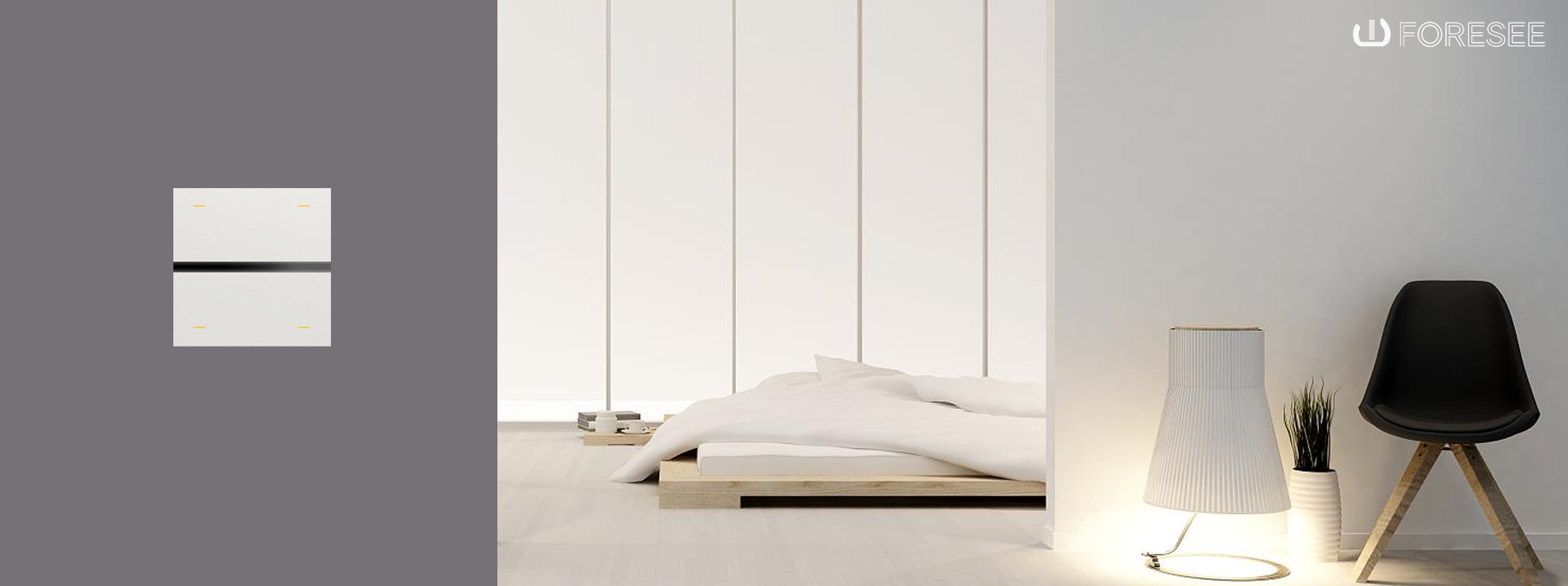
Through the synergistic effect of these smart devices, the space can transform from a passive response to a proactive service.
Key Benefits of Smart Hospitality Interior Design
Hospitality interior design, incorporating smart technology, not only enhances the user experience but also optimizes operational efficiency, achieving energy savings and increased brand value.
- Enhanced Customer Experience: Smart spaces offer contactless services and automated environmental control, providing guests with a more convenient and comfortable stay. Features such as automatic lighting and temperature control significantly improve satisfaction.
- Improved Operational Efficiency: Through centralized control systems, hotel managers can remotely manage equipment, reducing manual operations and improving management efficiency. This makes hospitality interior design not just a design issue but also an operational optimization tool.
- Energy Saving and Sustainability: Smart systems can adjust equipment operation based on actual usage, thereby reducing energy consumption. This energy-saving advantage makes hospitality interior design significant in terms of environmental protection and cost control.
- Strengthened Brand Differentiation: Smart spaces provide customers with a unique experience, thereby enhancing brand recognition. This differentiation is particularly crucial in high-end hotels and commercial spaces.
Real-World Application Scenarios
In real-world projects, hospitality interior design, combined with smart technology, can be widely applied to various types of hotel and service spaces, achieving a unity of function and experience.
- Hotel Guest Rooms: Guest rooms are the most direct application scenario for smart technology. Through smart door locks, sensors, and control systems, guests can easily manage their room environment and achieve a personalized experience. This application makes hospitality interior design more closely aligned with user needs.
- Hotel Lobby and Public Areas: As an important space for brand display, the lobby can create different atmospheres through smart lighting and control systems. For example, adjusting lighting effects according to time of day can enhance the overall quality of the space.
- Resorts and High-End Spaces: In high-end projects, smart technology can provide a more immersive experience. For example, automated scene control makes the space more technologically advanced and comfortable. These applications further expand the possibilities of hospitality interior design.
Future Trends in Hospitality Interior Design
First, intelligent technology will become a basic feature. More and more hotels and commercial spaces will adopt unified intelligent control systems to achieve equipment integration and automated management.
Second, data-driven design will become a trend. By analyzing user behavior and equipment data, design solutions can be continuously optimized, thereby improving space efficiency and user experience. This shifts hospitality interior design from static design to dynamic optimization.
Furthermore, system integration will continue to increase. Future spaces will no longer be simple stacks of multiple systems, but rather highly integrated intelligent ecosystems. This trend will further drive the upgrading of hospitality interior design.
Transform Your Hospitality Interior Design with 4C Global Smart Solutions
4C Global's smart touchscreens, smart sensors, smart locks, and control systems help hotels achieve unified management and intelligent control of equipment, thereby enhancing the overall spatial experience. These products not only support efficient operations but also meet the customized needs of different projects, making hospitality interior design more flexible and sustainable.
By combining smart technology with spatial design, hotels can create more efficient, comfortable, and brand-specific commercial spaces.