
Mold-Free Bathroom: Using Smart Ventilation and Humidity Sensors to Protect Your Health
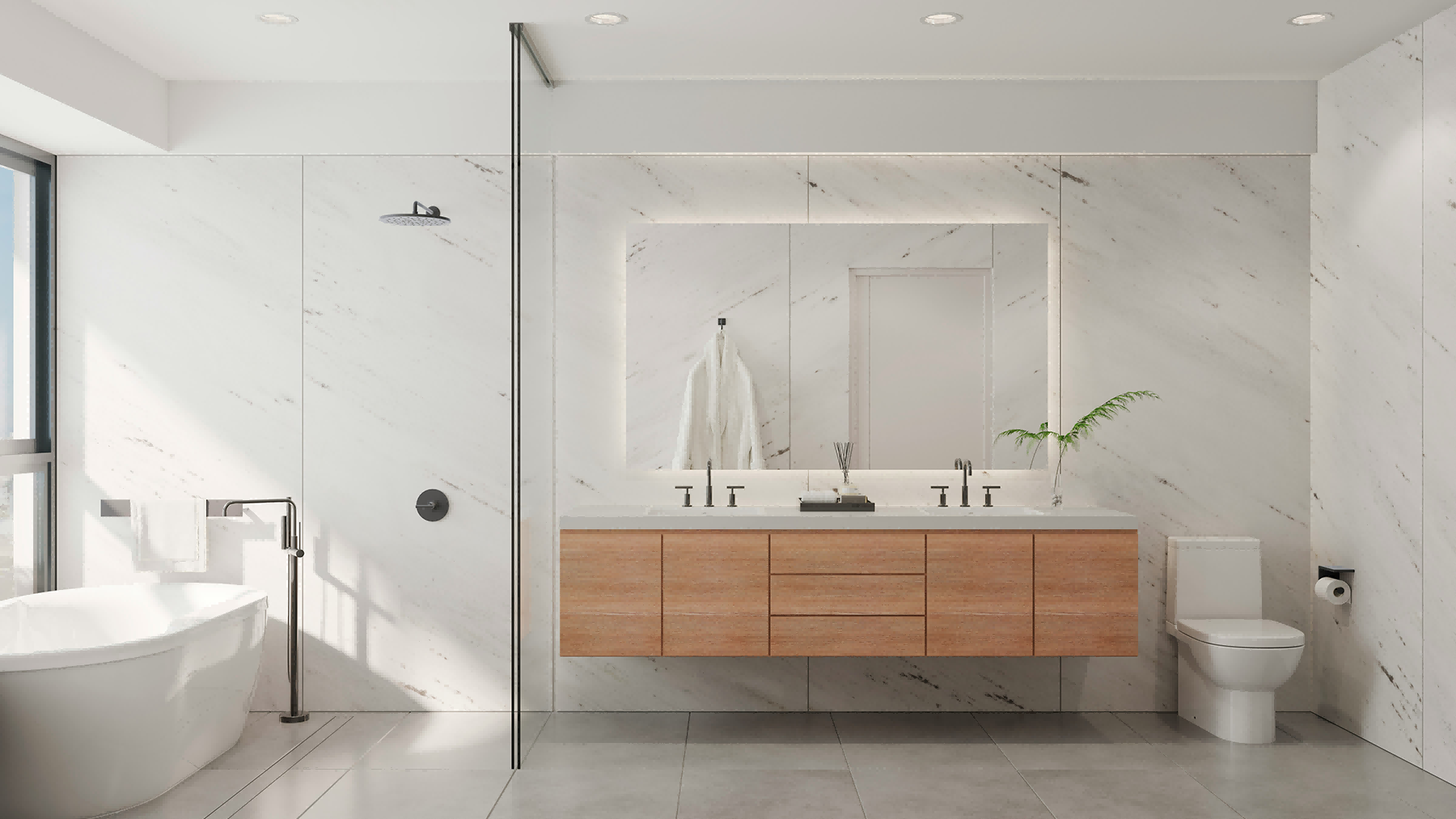
For homeowners and developers, the constant moisture in bathrooms fosters mold, posing significant health risks. The optimal solution is not reactive cleaning but proactive, intelligent design. 4C Global provides a premier solution by integrating advanced Smart Ventilation systems with precise Humidity Sensors, creating a self-regulating environment that actively prevents mold and safeguards bathroom health.
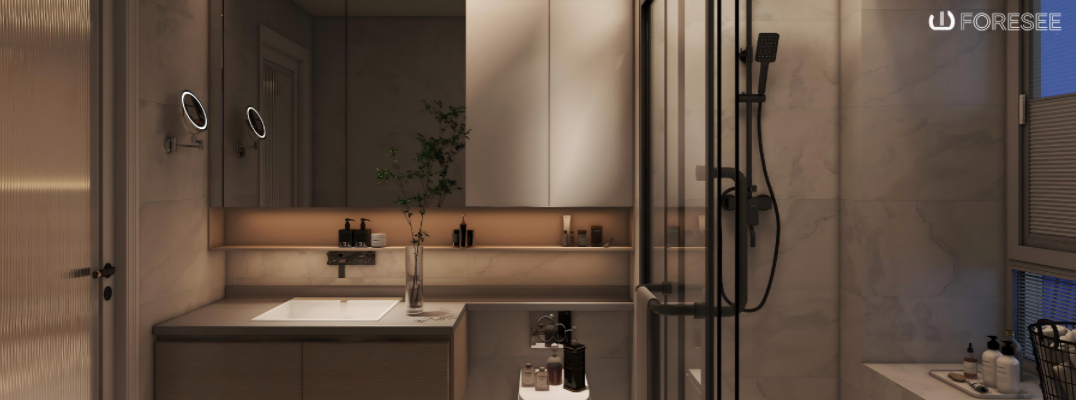
A modern bathroom should be more than a stylish space. It should also support a healthy indoor environment. However, bathrooms are naturally exposed to high levels of humidity every day. Without proper ventilation and moisture control, excess humidity can create ideal conditions for mold growth, unpleasant odors, and long-term damage to interior finishes.
For homeowners, mold is often seen as a maintenance issue. For architects, interior designers, and residential developers, it is a design and performance challenge that directly affects comfort, indoor air quality, and building durability.
Today, advances in smart home solutions provide a more effective way to address this problem. By combining smart ventilation systems, humidity sensors, and automated controls, modern bathrooms can maintain healthier conditions while reducing energy consumption and maintenance requirements.
Why Mold Develops in Bathrooms
Bathrooms generate moisture every day through showers, baths, and regular water usage. In many homes, humidity levels can remain elevated long after the bathroom has been used.
When warm, moist air is trapped inside an enclosed space, condensation begins to form on walls, ceilings, mirrors, and other surfaces. Over time, these damp conditions create the perfect environment for mold and mildew.
Common problems caused by excessive bathroom humidity include:
- Mold growth on walls and ceilings
- Black mildew around grout and sealants
- Unpleasant odors
- Damage to paint and decorative finishes
- Reduced indoor air quality
- Increased cleaning and maintenance costs
These issues can affect both the appearance of the space and the health of occupants, particularly individuals with allergies or respiratory sensitivities.

The Limitations of Traditional Ventilation
Many bathrooms rely on standard exhaust fans to remove moisture. While these systems can be effective, they often depend entirely on manual operation.
In practice, users may forget to switch on the fan, turn it off too early, or leave it running unnecessarily. As a result, humidity levels may remain high or energy may be wasted.
Traditional ventilation systems also lack the ability to respond to real-time environmental changes.
This is where smart technology provides a significant advantage.
Smart Ventilation: A More Intelligent Solution
A smart ventilation system automatically manages airflow based on actual bathroom conditions.
Instead of relying on manual controls, sensors continuously monitor humidity levels and activate ventilation when needed. Once humidity returns to an acceptable range, the system can automatically reduce or stop operation.
Key advantages include:
- Automatic moisture removal
- Improved indoor air circulation
- Reduced risk of mold and mildew
- Lower energy consumption
- Greater convenience for homeowners
By integrating ventilation into a connected smart home system, bathrooms can respond intelligently to changing environmental conditions without requiring user intervention.
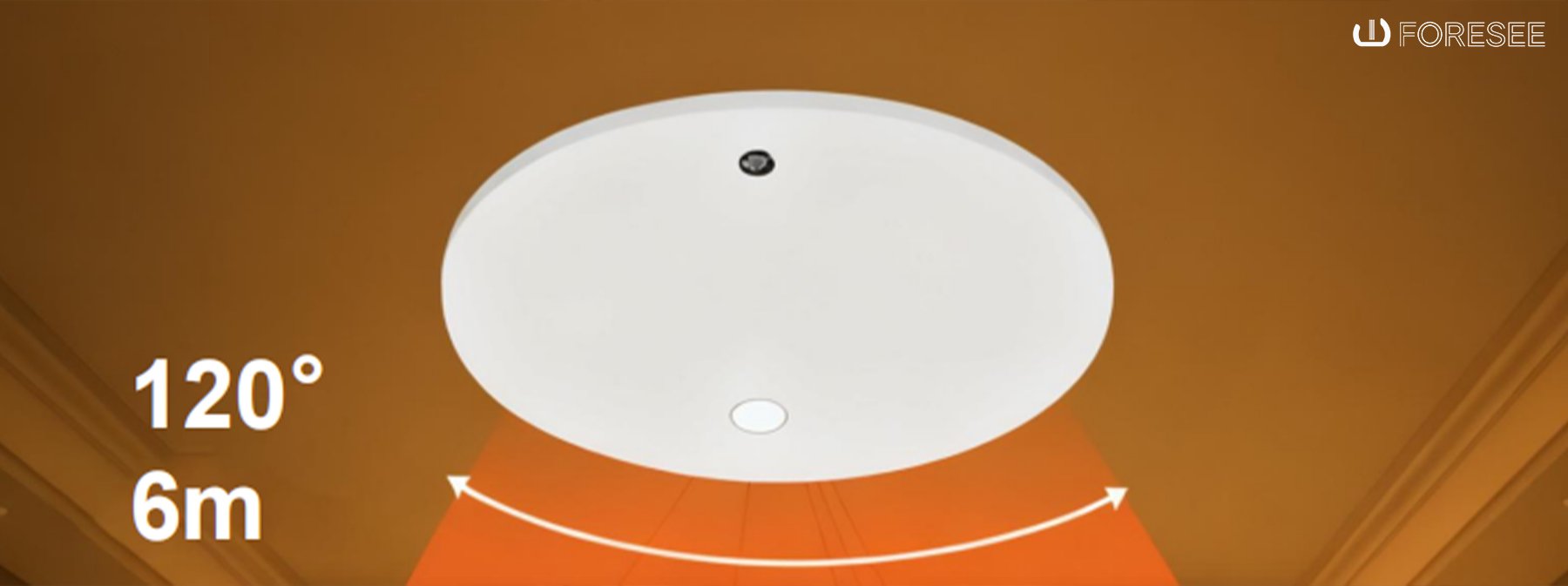
How Humidity Sensors Protect Bathroom Environments
Humidity sensors are the foundation of an effective smart bathroom solution.
These devices continuously measure moisture levels in the air and provide real-time data to connected systems. When humidity exceeds a predefined threshold, the ventilation system can automatically activate.
The result is a proactive approach to moisture control rather than reacting after mold has already appeared.
| Smart Feature | Function | Benefit |
|---|---|---|
| Humidity Sensor | Monitors moisture levels continuously | Detects humidity changes instantly |
| Smart Ventilation | Activates automatically when needed | Prevents moisture buildup |
| Automated Control | Adjusts operation based on conditions | Improves efficiency and convenience |
| Environmental Monitoring | Tracks indoor air quality data | Supports healthier living spaces |
This combination helps maintain a balanced indoor environment while reducing unnecessary system operation.
Creating a Healthier Bathroom Experience
Modern homeowners increasingly prioritize wellness and indoor environmental quality.
A healthy bathroom is not only about cleanliness. It is also about maintaining fresh air, controlling moisture, and creating a comfortable atmosphere throughout the day.
Through intelligent automation, bathrooms can automatically respond to different situations.
For example:
- Ventilation starts immediately after a shower
- Humidity levels are continuously monitored
- Lighting adjusts according to occupancy and time of day
- Environmental data can be viewed remotely
Many residential projects are now incorporating smart technology solutions to improve comfort, convenience, and long-term building performance.
Smart Bathroom Solutions for Residential Projects
Smart ventilation and humidity management are no longer limited to luxury homes. These technologies are increasingly being adopted in a wide range of residential developments.
Typical applications include:
Luxury Villas
High-end villas often feature larger bathrooms with premium finishes. Smart moisture control helps protect materials while improving the overall user experience.
Modern Apartments
Space limitations can make ventilation more challenging in apartment bathrooms. Automated humidity control provides a practical and efficient solution.
Premium Residential Developments
Developers can enhance project value by integrating intelligent environmental controls that improve comfort and reduce maintenance concerns.
Hospitality Projects
Hotels and serviced residences can benefit from automated ventilation systems that help maintain consistent air quality across multiple units.
For larger residential projects, integrating bathroom automation into a broader villa smart home solution allows multiple systems to work together seamlessly.
Design Considerations for Architects and Interior Designers
To achieve the best results, smart bathroom solutions should be considered during the early stages of project planning.
Ventilation Strategy
The location and capacity of ventilation systems should be designed according to room size and expected moisture levels.
Sensor Placement
Humidity sensors should be installed where they can accurately monitor environmental conditions without interference.
Integrated Controls
Modern bathrooms benefit from centralized control systems that connect ventilation, lighting, and environmental monitoring functions.
Projects that use smart touch screen panels can provide homeowners with a simple and intuitive interface for managing multiple smart home functions.
Future Scalability
Choosing flexible automation systems allows future upgrades and integration with additional smart devices as technology evolves.
Building Mold-Free Bathrooms for the Future
As residential design continues to evolve, creating healthy indoor environments has become just as important as aesthetics.
Smart ventilation systems and humidity sensors provide a practical solution for preventing mold, improving air quality, and protecting interior finishes. By continuously monitoring environmental conditions and responding automatically, these technologies help create bathrooms that are cleaner, healthier, and easier to maintain.
For architects, designers, and developers, integrating smart home solutions into bathroom design represents an opportunity to deliver greater comfort, improved performance, and long-term value. The result is a future-ready living environment where technology works quietly in the background to support healthier everyday living.